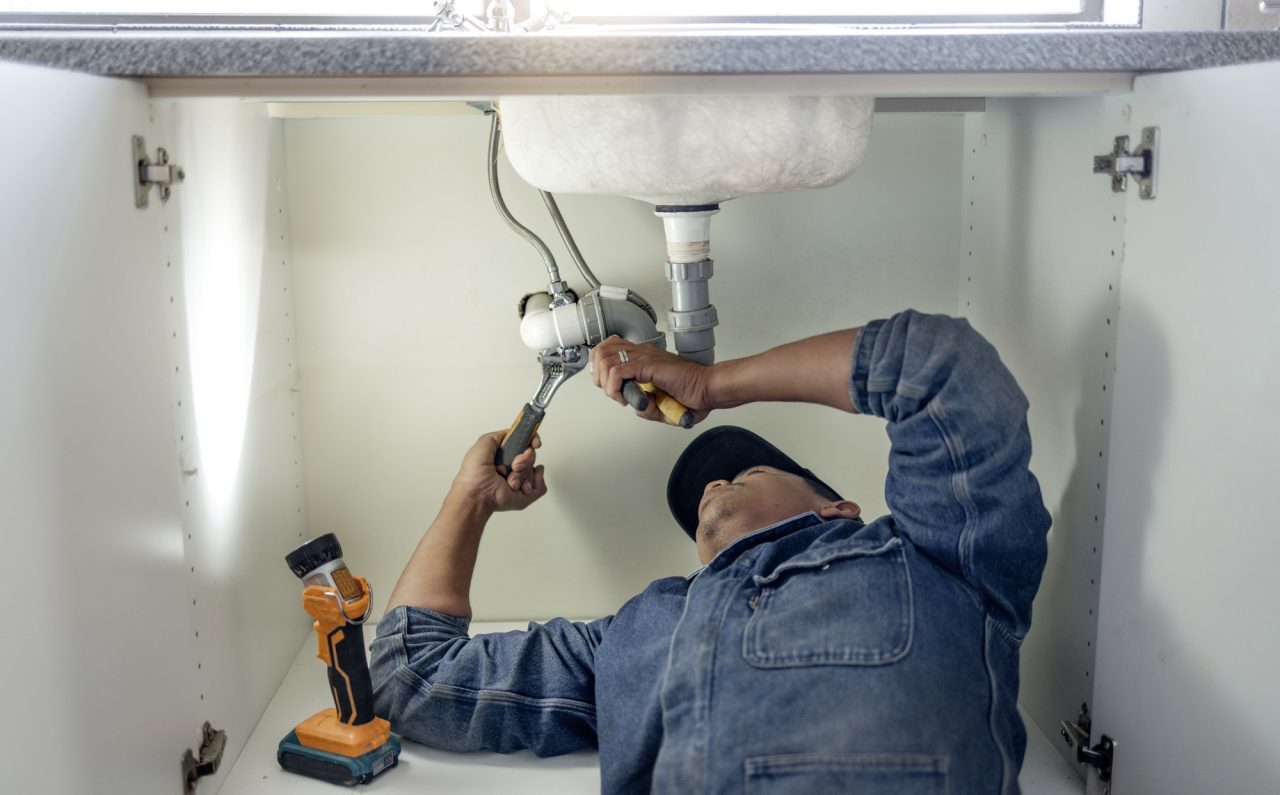
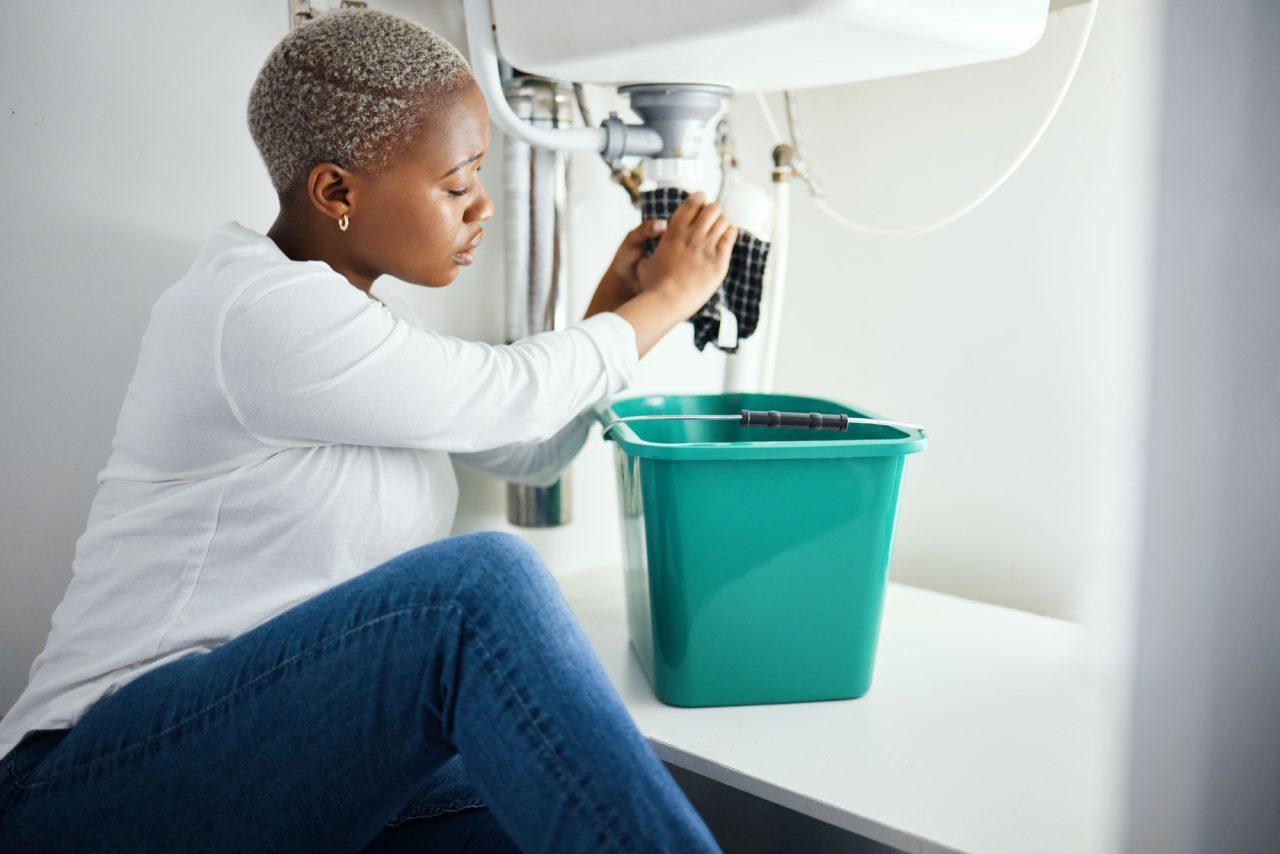
Getting your sewer line in Sonoma County inspected every year or two is the optimal way to catch the first signs of clogs, cracks, and root growth. Routine inspections prevent major issues such as backups or leaks that may impact your property or the environment. Local soil and older pipes in some areas make routine sewer line inspections even more critical. Yorkshire Plumbing & Drain Services employs video cameras to inspect pipes with minimal digging or mess. For tree-rich or vintage-plumbed homes, annual inspections are wise. If you live in a newer home or an area that’s not so heavily treed, you can go up to two years between checks. To determine what’s best for you, consider home age, pipe type, and local regulations. More on each below.
Key Takeaways
- Establishing a routine inspection schedule helps identify sewer line issues early and ensures compliance with local ordinances, regardless of property age or environmental factors.
- New homes get a first inspection of their sewer line and continued education of the homeowner, but older homes get inspected more often because of the aging infrastructure and higher chance of deterioration.
- Homes with dense tree coverage or seasonal rainfall should bump inspection frequency and employ specialized detection equipment to guard against root invasion and moisture complications.
- Professional sewer line inspections prior to buying or selling a home offer peace of mind and avoidance of surprise costly repairs in the transaction process.
- Professional inspections, not DIY, guarantee technical precision, minimize liability exposure, and provide affordable solutions with specialized equipment.
- A proactive maintenance plan, with regular cleaning and monitoring, can extend the service life of sewer systems and reduce expensive emergencies.
Your Sonoma County Inspection Schedule
Regular sewer line inspections are crucial for early problem identification and avoiding severe damage. Utilizing inspection equipment, inspection schedules should be tailored to both the property’s age and specific environmental concerns, ensuring compliance with local inspectors and regulations. Regular checks are especially crucial in regions with heavy rains or shifting earth, as these factors can exacerbate pipe movement and leaks.
1. New Homes
Have the sewer line inspected shortly after you move into a new home. This thorough inspection tests system integrity and ensures private sewer laterals are up to local code. New installations must be inspected for permitting, and homeowners should consider a DIY inspection to educate themselves on sewer fundamentals such as steering clear of grease accumulation, because solid habits from day one can safeguard the plumbing system over time.
2. Old Homes, Aging Sewers
Short, frequent inspections of plumbing systems are key to houses over 30 years old, especially considering that clay or cast iron pipes tend to give up sooner than expected. It’s essential to check for rust, flaking, or slow drainage troubles during a thorough inspection. Additionally, maintaining a record of all inspections and repairs will help property owners compare conditions season to season and catch trends before they become costly.
3. Heavy Tree Cover
Properties with loads of mature trees or in similar situations require multiple checks per year. Roots from species such as willows or poplars can intrude into pipes, impeding flow and blocking drains. Conducting a thorough inspection using video cameras or sonar for extensive root checks during inspections is crucial. If roots are discovered, planning annual cleanings or installing a physical barrier will keep the sewer service line free and minimize the likelihood of urgent fixes.
4. Buying Or Selling
A sewer inspection is a must before any home sale, especially when considering the necessary repairs to plumbing infrastructure. Buyers want evidence the system is sound, and comprehensive reports from Yorkshire Plumbing & Drain Services help establish expectations early, facilitating negotiations and engendering trust with buyers.
5. Recent Issues
Move quickly if you’ve experienced a backup or stoppage in your plumbing systems. Note all previous issues to assist inspection staff in targeting vulnerable areas. Go over previous repairs and determine if they fixed the issue or if additional inspections are required. Fast action on little things keeps them from becoming costly emergencies.
Sonoma County’s Unique Risks
Sonoma County’s sewers face risks that influence their inspection frequency, such as weather, soil, and old pipes. Understanding these factors helps property owners schedule necessary inspections and avoid costly plumbing repairs.
Soil And Seismic
Loose soil and sliding earth is typical of the area. When earthquakes strike, pipes can crack, move or break, causing underground leaks or catastrophic bursts. Even absent quakes, soil erosion over time saps pipe support, leaving ancient lines collapse-prone.
Preventative Measure | Effectiveness | Cost | Complexity |
Flexible Joint Installation | High | Medium | Medium |
Pipe Relining | High | High | High |
Seismic Retrofitting | Moderate | High | High |
Frequent Camera Inspections | High | Low | Low |
Following local geological surveys, they emphasize high risk neighborhoods. If your property is in these zones, schedule inspections every three years instead of five. This assists in identifying problems before they become severe.
Roots And Rainfall
Big trees in Sonoma County create more trouble than most realize. Their roots reach sewer lines, fracturing pipes and obstructing flow. Extra water gets pushed into the ground by heavy rains, particularly during the wet season. This can inundate pipes, resulting in backups and exacerbating root growth.
Water pooling near your home? Drainage is off. Addressing this up front prevents water from getting to and stressing your sewer lines. Contemporary inspections utilize cameras and root detection tools, they reveal where roots are sneaking in prior to a complete blockage occurring. Plan these inspections for late summer or early fall, prior to the rainy season.
Timeworn Sewer Infrastructure
Lots of homes here with 20+ year old pipes. Old clay or metal pipes deteriorate, rust and crack. This increases the risk of major leaks or back ups that cost a pretty penny to repair. The cost of repairs for overlooked issues averages $7,500, so it pays to check.
Discuss with friends and community organizations. Community support can assist in advocating for repairs to communal or public sewer lines. Become familiar with the type of pipes you have and their installation date, this knowledge assists in establishing an intelligent inspection schedule.
Identify Sewer Line Problems
Teaching yourself to identify sewer line problems at an early stage really makes a difference. When you know what to look for, such as signs of tree root intrusions or unusual odors, you can take action before things go downhill and costly plumbing repairs arise. Routine checks and awareness keep your home protected and your expenses low, ensuring proper drainage lines function effectively.
- Unusual gurgling from drains or toilets
- Water drains slower than usual in sinks or tubs
- Foul odors near drains, bathrooms, or yard
- Wet spots, sinkholes, or lush patches in the yard
- Sudden increase in water bills
- Mold or mildew growth in unexpected areas
- Frequent clogs that don’t clear with basic cleaning
Bubbling Or Gurgling Pipes
Strange noises emanating from drains or toilets frequently indicate covert sewer problems. Gurgling noises are the proverbial canary in the coal mine. These can indicate air is being trapped by a blockage or broken pipe. If you hear these noises more than once, maintain a simple log, record when and where you hear them.
- Gurgling: Blocked or cracked pipes, air trapped in lines
- Bubbling: Sewer gas pushing back, partial blockage
- Hissing: Leaks in pipes under pressure
- Rattling: Unstable or loose pipe joints
Noises aren’t simply an annoyance. They warn of more serious issues, such as shifting soil or cracked pipes, which are typical culprits behind sewer line damage. Being attuned to these sounds aids in detecting issues before they become serious.
Sewer Line Flow Issues
A slow drain can seem innocuous, but it can indicate a much larger problem further down your sewer line. When water drains slowly, something is obstructing the way like hair, grease, tree roots, or a cracked pipe from shifting soil or frost. It’s not simply unclogging a single drain. If multiple slow at the same time, that’s a red flag.
Regular cleaning helps, but when slow drains persistently return, it’s time to call in a professional. Camera inspections detect issues when they’re cheaper to fix than major repairs later.
Don’t overlook sluggish drains. Even one slow sink can indicate that half of the homes have a leak. Little indicators can become huge issues quickly.
Smelly Drain Concerns
A foul odor around drains or outside is not ever normal. Sewer gas leaks are emergencies. These gases aren’t just stinky, they can harm your health. If it smells musty, or like rotten eggs, investigate for leaks or water marks. Mold in basements or bathrooms can indicate water leaking from a cracked sewer line.
Over time, these odors indicate the sewer system isn’t sealed well. That’s why periodic inspections with up-to-date equipment, such as cameras, are so important.
Yard Changes
Observe your yard for wet spots, sinkholes, or even random green patches. These can indicate a broken sewer line seeping underground. Even minor yard alterations count. Record what you observe with pictures or observations.
If you notice alterations, make a check-up call. Landscaping and root growth can damage pipes, and aged pipes, more than 50 years, are more vulnerable.
Don’t wait. Fast action stops damage from spreading.
What A Professional Inspection Involves
Professional sewer line inspections are a critical part of maintaining plumbing systems, guided by trained inspection staff from Yorkshire Plumbing & Drain Services who use advanced inspection equipment to identify issues like tree root intrusions or pipe corrosion before they escalate into costly repairs. These thorough inspections typically last from 15 minutes to an hour, depending on the size of the system and findings. Conducting these inspections every three to five years is recommended as a best practice, especially for older homes or those with a history of plumbing problems, ensuring hygiene and preventing expensive backups.
The Camera
What’s at the heart of any inspection? A sewer camera. These bendable mini-cameras are inserted into your pipes, providing a live feed of your sewer’s interior. Video footage identifies problems such as cracks, blockages, or roots grown into the line, typical issues that can escalate into costly repairs if left untreated. The camera locates hidden leaks or collapsed sections too, so it’s more comprehensive than a cursory inspection.
It’s smart to ask to get a copy of this footage. Homeowners can view these images to observe the precise condition of their pipes. It’s nice when dealing with repair professionals or insurance companies since the video serves as concrete evidence of the state of the line.
The Location
Inspections need to be of the entire sewer line, not simply the main pipe. Laterals, the connection between your home and the public sewer, are frequently where concealed issues begin. Main lines and branch lines, particularly in older homes where tree roots or soil shifts are prevalent. The hardest to access locations are the most likely to conceal minor fractures or slow leaks that cause major damage.
Inspecting every cavity, even under driveways or in tight crawl spaces, nips issues before they blossom. Main lines, laterals and branch lines need to be inspected in each inspection to ensure nothing is overlooked.
The Report
The inspection concludes with a report. Read it carefully. It will report on what was discovered, what needs repaired, and what needs to be monitored over time. Save this report, future fixes or home sales might require this info.
Additional inspections could be required depending on the report. If repair is necessary, book it in before you sell your home or see red flags such as sluggish drains.

Why DIY Inspections Fail
Most homeowners simply lack the proper inspection tools or expertise to identify silent or lurking damages. This results in overlooked problems and larger expenses down the road. Instead, call the experts at Yorkshire Plumbing & Drain Services, our tools and training help uncover issues before they cost you.
Equipment Cost
Professional-grade cameras and other equipment that plumbers use to conduct sewer line inspections is costly to purchase or rent. Homeowners might just pull out these tools once or twice, and that’s a tough investment to rationalize. Even rental fees accumulate rapidly when considered in light of the inspection’s lasting advantages.
Professional equipment often costs more than a local expert, especially when considering learning time and errors. Local sewer service companies have their own gear and know how to use it properly to boot, so hiring them makes good sense.
Technical Skill
Special skill is what a good sewer line check requires. They learn to identify leaks, blockages and rust that are often overlooked by the untrained eye.
Training helps them search out silent issues, such as slow leaks or small cracks, before these develop into major repairs. Without that skill, a homeowner can misinterpret what they observe, risk overlooking major warning signs, or address the incorrect issue. Relying on a trained technician means a more thorough and unbiased inspection.
Ownership Obligations
Homeowners assume genuine dangers when they attempt do-it-yourself inspections of sewer lines. If issue gets overlooked and results in damage or risk to health, legal issues might ensue. Most jurisdictions demand qualified inspections for safety and insurance purposes.
They get your local rules and they can save home owners liability. They give accurate documentation of what was discovered, which is missing with many DIY inspections. All of this paperwork can come in handy if there are questions about your property down the line.
More Limitations
DIY inspections often miss inaccessible areas, leading to hidden issues that may require additional inspections. Insufficient time can result in hasty, incomplete inspections, causing misinterpretation of results and confusion.
Beyond The Inspection: Proactive Care
Proactive care, of course, extends beyond prepping for your next sewer system inspections. It’s about establishing habits and systems to check for problems, keep your pipes clear, and extend the life of your sewer service. Most lines can live in a home for decades, sometimes they stay for a century, with routine maintenance and a sharp eye on what’s flushed. Too many people wait for an issue, but taking action early usually costs less and keeps things humming.
A good maintenance plan goes beyond the inspection equipment. It’s about periodic tune-ups, monitoring the system’s condition, and recognizing the buddy check indicators. Homeowners, particularly those residing in older homes or neighborhoods that have experienced sewer problems, should strive for evaluations every 18 to 24 months. Sometimes, just doing this once or twice a year can catch issues before they become major repairs. Video camera inspections are great, they allow you to peer inside your pipes and spot cracks, roots, or clogs before encountering any issues.
Flushing the main line every one to two years prevents grease, hair and other debris from becoming massive clogs. It’s not merely about what’s flushed, but about what’s washed down sinks and tubs. Even tiny food or soap bits can accumulate. Get into the habit of NOT flushing wipes, paper towels and other tough materials, these are clogs waiting to happen.
Training everyone in the house is helpful as well. When everyone in the house is aware of what can and can’t hit the sewer, the chance of issues decreases. Keeping an eye out for slow drains, weird smells, or wet spots in the yard can provide early warning. That way, you can call a pro before it gets out of hand.
Steps for proactive sewer line care:
- Yorkshire Plumbing & Drain Services recommends inspections every 18-24 months, or sooner depending on the condition and age of your system.
- Schedule cleanings at a frequency that works for your system and local expert recommendations.
- Use video camera inspections to catch hidden problems.
- Teach everyone in the home about smart drain habits.
- Stay alert for early signs of sewer trouble.
Final Remarks
For the safety of your sewer line in Sonoma County, inspect it on an annual basis. Tree roots, aging pipes, and ground shifts all raise the danger for leaks or blockages. A pro from Yorkshire Plumbing & Drain Services uses cameras to identify cracks or buildup you’d miss. Skipping checks means little problems can become big ones quickly. Easy things like no wipe flushing and being drain conscious assist in keeping things open. If you notice sluggish drains or odd odors, seek assistance immediately. Routine inspections pay off in savings. We understand Sonoma County’s soil, tree patterns, and pipe challenges. Be proactive, call Yorkshire Plumbing & Drain Services for an expert inspection today.
Frequently Asked Questions
1. What Are The Main Risks To Sewer Lines In Sonoma County?
In Sonoma County, issues like shifting soil, tree roots, and heavy rain can lead to pipe corrosion and clogged sewer lines, making regular sewer system inspections essential for maintaining hygiene.
2. What Signs May Indicate A Sewer Line Problem?
Typical symptoms like sluggish drains, bad smells, gurgling noises, and soggy spots in your lawn may indicate the need for a thorough inspection of your plumbing systems.
3. What Happens During A Professional Sewer Line Inspection?
A professional plumbing company inspects your sewer line with advanced inspection equipment and cameras to detect blockages or tree root intrusions, ensuring reliable solutions.
4. Why Are DIY Sewer Line Inspections Not Recommended?
DIY inspections typically overlook concealed issues, while experts use inspection tools to identify problems in plumbing systems before they escalate.
5. How Can You Take Care Of Your Sewer Line Between Inspections?
Don’t flush anything that’s not biodegradable, dispose of grease in the bin, and plant trees some distance from your sewer lines. Good habits minimize risks and maximize the lifespan of your plumbing system.
Need A Sewer Inspection In Santa Rosa? Fast, Honest, Local Pros Are Just A Call Away
Bad smells, backed-up drains, or slow toilets? Don’t wait for a messy emergency. The trusted team at Yorkshire Plumbing & Drain Services is here to catch sewer problems before they turn into major repairs. With nearly a decade of experience and advanced sewer camera tech, we quickly pinpoint what’s going on underground, and give you real answers, not scare tactics.
Whether you’re buying a home, dealing with weird plumbing symptoms, or just overdue for an inspection, we’ve got your back. Call or message us today for a no-cost estimate. We offer same-day service when possible and are always ready for urgent jobs. Head to our Contact Page or give us a ring, Yorkshire Plumbing is your go-to, family-owned sewer inspection team in Santa Rosa.
Disclaimer
The information provided on this website is for general informational and educational purposes only and is not intended as professional plumbing or construction advice. You should consult with a licensed plumber or qualified contractor for guidance specific to your home or situation. Do not rely solely on the content of this site to make decisions about plumbing repairs, installations, or maintenance. While we strive to keep the information current and accurate, it may not reflect the most recent industry standards or code requirements. Yorkshire Plumbing & Drain Services disclaims all liability for any actions taken or not taken based on the content of this site, to the fullest extent permitted by law.