Sewer smells inside of the house are typically caused by broken pipes, loose fittings or clogged drains. Here in Santa Rosa, those issues manifest as sewer-like odors around the sinks, tubs or yard. Puddles on the ground or sluggish drains indoors may indicate sewer leaks or obstructions. For homeowners, looking for these signs prevents bigger problems. Quick inspection, like searching for standing water or hearing gurgling sounds, provides obvious hints. Nasty odors from drains can indicate dry traps or vent pipe issues. Detecting these in their infancy keeps repair costs low and health risks down. To assist Santa Rosa homeowners, the following sections outline simple steps and essential tips for sewer inspections that maintain safe, sanitary homes.
Key Takeaways
- Routine inspections of your plumbing fixtures, drains and vent systems are a must to keep sewer odors and unhealthy environments at bay, no matter where you live.
- Keeping an eye out for telltale symptoms like lingering smells, gurgles, or sluggish draining will help you catch hidden sewer issues early, before they cause major damage to your property and pose a risk to your health.
- These proactive steps, such as maintaining water in unused drains and having seasonal plumbing inspections, can go a long way toward reducing problems caused by your local climate or soil conditions.
- With access to advanced technologies, such as camera inspections and leak detection, Yorkshire Plumbing & Drain Services can accurately pinpoint concealed sewer line issues for more efficient and less disruptive repairs.
- Neglecting damaged seals, exposed sewage, or several slow drains instead of consulting Yorkshire Plumbing & Drain Services may result in disaster, compromising property value and the health of its residents.
- Detailed documentation and reporting from professional inspections by Yorkshire Plumbing & Drain Services provide homeowners with clear, actionable recommendations, helping to guide informed decisions and maintain the integrity of their plumbing system over time.
Why Your Home Smells
In-home sewer odors, often a sign of plumbing issues, are usually caused by problems lurking in your pipes. These foul smells may indicate a drainage, venting, or sealing issue and tend to intensify post-rain or during wet winters, particularly in high rainfall areas and older homes.
1. Dry Plumbing
Unused drains are an extremely common cause of sewer gas smell. When a drain becomes unused, the trap water can dry out, allowing harmful sewer gases to enter the home. Even laundry room or basement floor drains can dry up quickly if not used, leading to unpleasant odors. To combat this, filling these traps with water and adding odor absorbers to infrequently used drains can help block sewer odors. If you notice a recurring smell near a drain, pouring down some hot water will flush out debris, minimize bacteria buildup, and maintain the trap seal.
2. Clogged Vents
Clogged vent pipes can ensnare harmful sewer gases and shove them back into bedrooms, leading to unpleasant odors. Slow drains in multiple fixtures or gurgling from drains are common indicators of a blocked vent, which can contribute to a sewer gas smell. Furthermore, dirt, animal nests, or leaves can accumulate in vent pipes, especially in houses with roof vents. Unclogging these traps allows air to flow and decreases pressurized vacuums that pull in foul smells. Scheduling regular inspections is key to keeping vent systems functioning properly and preventing recurring sewer odor.
3. Damaged Lines
Broken sewer pipes can seep harmful sewer gases inside. Old pipes, moving earth, or invasive roots can all snap or clog underground pipes, leading to unpleasant odors. We conduct regular inspections on aging pipes to detect plumbing issues early, prior to expensive damage occurring. Occasionally, trenchless repair can provide a less-invasive repair to damaged lines, without disturbing your home and yard. Torrential downpours exacerbate such problems, straining compromised places and triggering additional leaks and sewer odor.
4. Faulty Seals
Seals around toilets and sink drains play a crucial role in preventing sewer gas smell from seeping into living areas. Over time, these rubber or wax seals can wear out, shrink, or loosen, releasing harmful sewer gases. Quickly swapping out bad seals keeps the stink at bay and helps maintain indoor air quality. Loose connections in plumbing can also lead to plumbing issues, so tighten or reseal as needed or have a professional plumber check all seals.
5. Sewer Main Backup
If you notice more than one drain backing up simultaneously, it may indicate a main sewer line backup. These sewer odor issues can create major property damage and significant health hazards. Any rapid increase in sewage smell requires immediate attention, call a plumber immediately.
Your DIY Smell Test
A methodical attack can identify sewer gas smell culprits before they escalate into bigger nightmares for your household. This part provides actionable advice and specific techniques for diagnosing sewer odors by visual observation, auditory clues, and flow patterns, emphasizing prevention and documentation.
Visual Checks
Begin by inspecting for any stains or discoloration around pipes, particularly at joints or where fixtures interface with walls or floors. Brown or dark patches can indicate water leaks or prolonged exposure to sewer gas. They’re usually right by toilets, where that wax ring aura of doom can give out, or beneath sinks where the hookups can become unhooked.
Inspect around toilets and sinks for mold or damp patches. Mold usually manifests as green, black or white spots and flourishes under damp conditions. General dampness that lingers after cleaning can indicate a slow leak. In basements or crawl space, listen for standing water and undue wetness. At best, this can signify a broken sewer pipe or a clog that’s causing a backup. Take your visual observations with photos and notes, this allows a plumber to see what you’re specifically experiencing and equip himself accordingly.
Water Tests
A good simple check is to fill sinks and tubs with water and see if they drain. Slow-emptying basins usually indicate clogs or partial blockages. Flush a bucket of water down floor drains, noting any gurgling or delay in water movement. This can give you hints to deeper blockages.
Turn on all of your faucets and smell the difference. Flash Sewer Odor with Water Running = Dry P-trap or Broken Barrier. As a general rule, keeping P-traps primed via running water in unused drains once a week keeps gas smells at bay. Lastly, maintain a basic log of test results and tendencies, like which drains stink or drain sluggishly, that can be useful for subsequent debugging.
Listening Clues
Slow down and listen to every drain before it drains. Soapy gurgles usually indicate that air is trapped somewhere, perhaps due to a clogged vent pipe. Hissing or bubbling sounds can indicate minor leaks or sewer gas escaping. These noises can intensify or become more frequent if a clog becomes more severe or a pipe corrodes.
Maintain a running list of weird noises, particularly if you notice shifts following storms, cold weather or extended downtime. Leaves, ice or even animal nests can block vents during seasonal changes, so it’s a good idea to check on them regularly.
Checklist
- Inspect all exposed pipes, joints and fixtures for staining or dampness.
- Run water in every drain, including those rarely used.
- Listen for new or unusual noises in your plumbing.
- Check roof vent pipes for any debris, leaves or nests.
- Prevent debris and maintain vents with drain covers.
- Schedule routine plumbing inspections for thorough assessments.
Santa Rosa’s Unique Challenges
Santa Rosa homeowners face a variety of plumbing and sewer challenges formed by the local climate, geology, and aging infrastructure. Rainy seasons, shifting clay soil, and ancient pipes all contribute to a never-ending headache, from unpleasant sewer odors to clogged drain repair issues.
Seasonal Rains
Poor drainage systems, heavy rainfall in Santa Rosa. Which frequently results in additional sewer smells, as water floods antiquated pipes and drains. Even a minor sewage backup in the basement, or a damaged drain can let off awful odors and make the house unlivable.
Prior to the rains, make sure your yard and property drain water away from your home. It needs to drain well, because standing water increases the risk of flooding and sewer back-ups. Having a sump pump installed takes care of water on the property and provides additional coverage on your sewer connection as well. Plan plumbing inspections prior to the wet months. Plumbers identify and repair vulnerable areas that may not survive a single rain season.
Clay Soil Shifts
Clay soil is prevalent in Santa Rosa. It swells when wet and contracts when dry, exerting forces on buried sewer lines. Over time, this can crack pipes or shift them, resulting in leaks or blockages. Be on the lookout for indicators such as cracked pavement or uneven ground around your property, these could indicate shifting soil, which often puts strain on your pipes.
Consult local specialists familiar with Santa Rosa’s soil. They can assist you to discover methods to maintain the ground stable such as enhancing your yard drainage or growing deep-rooted vegetation. Preventative measures, like reinforcing your pipe joints or using flexible pipe materials, can minimize damage from soil shifting and keep your plumbing system piping hot.
Aging Sewer Lines
A good chunk of Santa Rosa’s sewer infrastructure is aged. Decades-old pipes buried underground are prone to clog, leak or burst. Older homes tend to have more plumbing issues, dripping faucets, slow drains, leaky or burst pipes. Even a slow drip can waste thousands of liters annually, inflating water bills and putting strain on the system.
If your home’s older, get your sewer lines inspected for their age. There may be needed repairs or even complete pipe replacement. Partner with plumbers who understand how to navigate aging infrastructure and can recommend the appropriate fixes to maintain your plumbing.
Staying Informed
- City sewer projects or repairs.
- Watch for notices about water or sewer changes.
- Join local homeowner groups to share tips.
- Stay proactive to avoid big plumbing headaches.
The Hidden Dangers
Sewer smells are not just yucky, they can indicate continued care are serious plumbing issues that threaten your health and property. Immediate response is necessary to shield your home from harmful sewer gases.
Health Effects
Sewer gas is composed of hydrogen sulfide, ammonia, methane and other noxious gases. Even in small concentrations, these gases can irritate eyes, nose and throat. Extended exposure is more dangerous, particularly for young children, the elderly and those with respiratory ailments.
Symptom | Cause | Risk Level |
Headaches | Hydrogen sulfide | Moderate |
Nausea | Ammonia, methane | Moderate |
Difficulty breathing | Mixed sewer gases | High |
Eye irritation | Ammonia | Low |
Dizziness | Methane | High |
If anyone in the house develops puzzling headaches, nausea or breathing difficulties, heed these symptoms as warning signs. Educate your family to identify the smell and symptoms so everyone is aware of what to do if odors become present. For extreme cases, get medical assistance immediately.
Property Damage
Untreated sewer line issues result in costly repairs. Blockages from debris, leaves or animal nests that cause wastewater to back up into the home. You may initially smell it, but slow drains, gurgling pipes and backed up toilets are all red flags as well.
Backups can quickly destroy wood floors, drywall, and personal belongings. In downpour regions, older homes or homes with old pipes are at more risk. Neglecting upkeep can reduce your home’s worth and even raise your insurance premiums. Frequent, seasonal inspections, especially in the spring and autumn, keep vent pipes clear and minimize the risk of expensive damage.
Prevention
Seasonal vent pipe checks are a small habit with huge rewards, especially in preventing unpleasant odors like sewer gas smell. Dump leaves or nests, a spring and summer staple, and ensure that all drains contain water in their P-traps to block sewer gases. After storms, check drains and pipes for any plumbing issues.
Immediate Action
- If you smell sewer gas, open windows and vacate. Cut power to affected rooms if safe and call a licensed plumber to inspect.
- Call for help if you feel sick.
- Check for blockages after storms.
- Act fast, delay can worsen damage.
When To Call Us
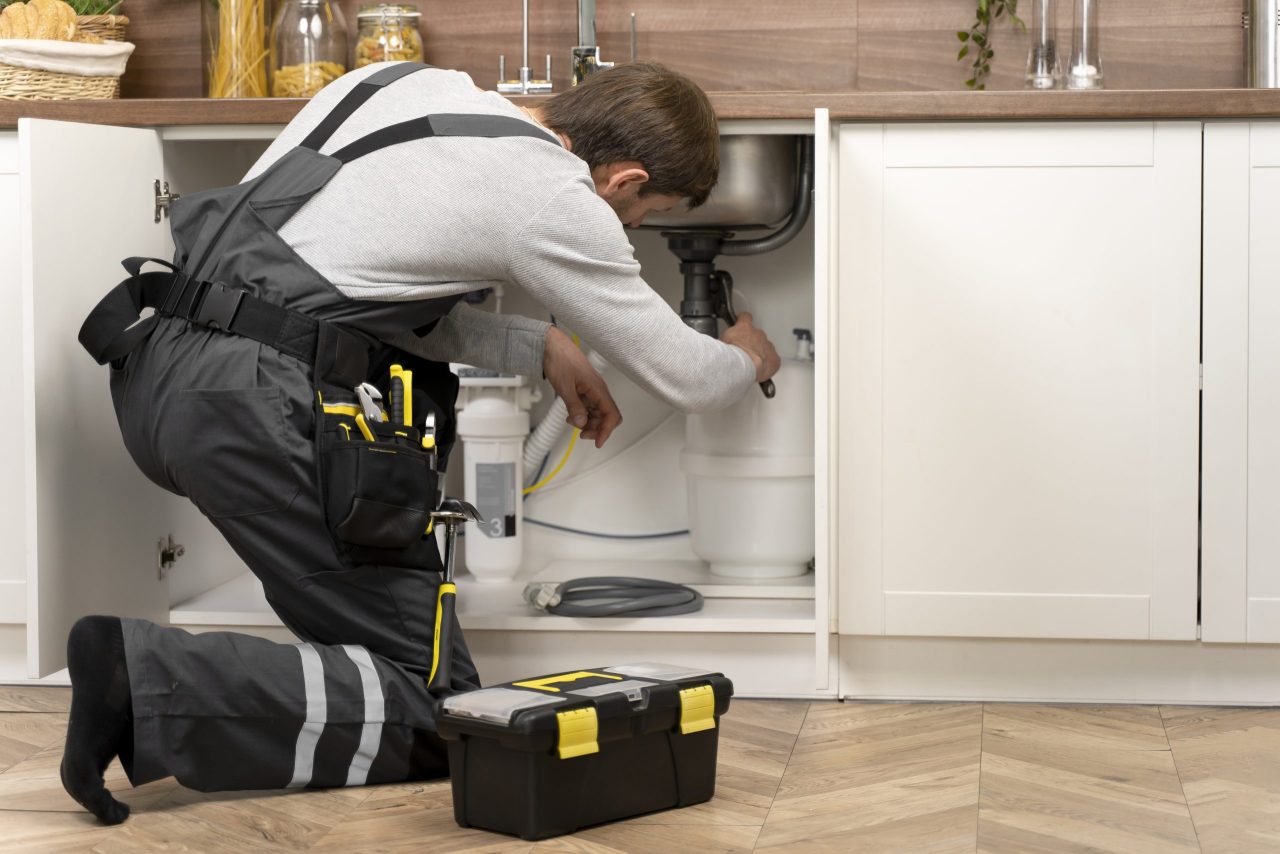
Sewer odors in residences are indeed foul and frequently indicate underlying plumbing issues. If simple cleanings or quick DIY fixes don’t do the trick, or if symptoms such as sluggish drains and faint sewer smells start manifesting, it’s best to have a pro check for potential sewer gas problems to save your health and your home.
Persistent Odors
Don’t ignore persistent sewer odors, as they can indicate serious plumbing issues. Even if the odor is intermittent, it may suggest a concealed plumbing problem, such as a broken pipe or a poorly vented line. If you’re cleaning up odors or using air fresheners, it’s a sign that the source, like a clogged drain or faulty toilet seals, is still there. Homeowners should record where and when the odors are most intense, as this assists plumbers in identifying the issue. If several rooms are impacted, then the risk of a serious sewer line backup increases, making professional attention essential.
- Record the time, date and location of the smell.
- Verify whether the odor intensifies after utilizing sinks or toilets.
- Avoid masking the odor with sprays or candles.
- Call a plumber if smells persist beyond routine cleaning.
Multiple Slow Drains
When multiple drains are sluggish at the same time, this typically indicates a clog in the main sewer line rather than a single fixture. If left unaddressed, these blockages can lead to water backups or even a sewer line backup, damaging pipes further. Go on a slow-drain hunt, including all sinks, showers, and tubs. If you detect a sewer gas smell from more than one drain, it’s probably more than just clogs. Arranging a professional sewage cleanup means clearing stubborn blockages and stopping issues in their tracks.
- Test all drains for slow flow or smells.
- Avoid using harsh chemicals, as they can damage pipes.
- Schedule a professional inspection if the problem persists.
Gurgling Sounds
Gurgling sounds emanating from drains or a toilet often indicate air or sewer gas smell trapped in the pipes due to a blockage or venting issue. You cannot just ‘blow off’ these sounds, particularly if they are recurrent. To trace the origin, turn on taps in various areas and observe where the foul odors are noisiest or most persistent. If the issue persists after simple troubleshooting like checking accessible traps or vents, then a plumber should be called to examine the system.
- Record when you hear gurgling such as dates, locations and times.
- Notice if the noise occurs behind particular actions, such as flushing or draining.
Visible Sewage
Sewage visible in the home or yard is always a dire sign. Raw sewage exposure is potentially dangerous to your health, and can result in expensive property damage. Stay out of polluted water for sanitary reasons.
Get a plumber on the phone immediately. Don’t attempt to clean up the sewage on your own. Evacuate if needed.
What Our Inspection Reveals
When your home smells like sewer gas, there’s a good chance there are some plumbing issues, such as a clogged drain or a sewer line backup, that need addressing. Inspections using the latest technology allow us to detect these sewer gas problems before they cause more significant trouble. Yorkshire Plumbing & Drain Services uses the latest sewer inspection technology to help Santa Rosa homeowners tackle problems early.
Pipe Camera Technology
Camera inspections by Yorkshire Plumbing & Drain Services allow homeowners to detect blockages, root intrusion, or broken lines, without guessing or digging. High-resolution video offers a sharp, real-time view of pipe interiors. This allows you to easily identify blockages, cracks, tree root intrusion, and deteriorated joints. For instance, a camera can expose a sliver of broken pipe lurking in the shadows or roots snaking into the main sewer line, no guesswork necessary.
Having video footage of the sewer line’s condition aids in monitoring changes and offers handy documentation should repairs become necessary down the road. With routine camera inspections, you can detect sluggish drains, gurgling and odd odors, the early symptoms of backups, before they escalate.
Leak Detection
Leak Detection refers to the use of specialized equipment to detect hidden leaks responsible for sewer odors and water loss. Devices such as acoustic sensors or infrared cameras detect leaks behind walls, beneath floors or within concrete, meaning you don’t have to tear open your home just to peek. Though many leaks begin small, they can cause water damage and sewer gas buildup.
For starters, patching leaks immediately helps keep water bills under control and prevents gas from leaking into people’s homes. Incorporating leak checks into your regular plumbing maintenance is a smart way to defend your home. If you happen to experience slow drains or a bad smell, leak detection needs to be a priority.
Actionable Reports
You receive comprehensive reports of what our inspection reveals, such as the precise location of any leaks, blockages or compromised pipes. Clear suggestions to prioritize what should get fixed now vs. Later. These reports are simple to share with your plumber to ensure a common understanding and that work is done correctly.
You’ll receive step-by-step reports from Yorkshire Plumbing & Drain Services to plan repairs and avoid confusion.
Expert Oversight
- Our agent’s expertise ensures you receive a comprehensive review all the time.
- Count on us to employ the finest equipment and techniques for enduring results.
- We inspect vents, P-traps and drains to cover all the bases.
- Camera and leak detection combine to crack even the hardest plumbing mysteries.
Final Remarks
Odors in your house generally begin with minor issues, old drains, dry traps, or small cracks, that allow sewer gas to sneak in. Santa Rosa homes have their own unique combination of climate and soil conditions that make plumbing challenges even more common.
While light tests can help you spot the basics, more serious issues require professional tools and local experience. That’s where Yorkshire Plumbing & Drain Services comes in. Our crews understand the underground layouts, the climate challenges, and the signs of emerging issues, so we can stop problems before they grow.
Whether you need peace of mind or can’t ignore a foul smell any longer, contact Yorkshire Plumbing & Drain Services today. We’ll help you protect your home, your health, and your air quality.
Frequently Asked Questions
1. What Are Common Causes Of Sewer Smells In Homes?
Dry drains, cracked pipes, or blocked sewer vents can lead to a sewer gas smell in your home, allowing harmful sewer gases to escape indoors.
2. How Can I Check For Sewer Smells Myself?
Walk through your house and identify stinky areas, especially in bathrooms and kitchens where you might notice a sewer gas smell around drains.
3. Why Are Sewer Smells A Concern For Santa Rosa Homeowners?
Santa Rosa’s aging homes and volatile weather can result in pipes shifting or cracking, leading to increased sewer gas smell and making it more challenging to locate the source of unpleasant odors.
4. Can Sewer Smells Affect My Health?
Yep, sewer gases can cause headaches, nausea, and other symptoms, posing serious health risks, particularly for children and the elderly due to harmful sewer gases.
5. When Should I Call A Professional For A Sewer Inspection?
Call a pro if you notice a sewer gas smell or lingering sewage odor, discover leaks, or your DIY checks don’t fix the plumbing issue.
Need A Sewer Inspection In Santa Rosa? Fast, Honest, Local Pros Are Just A Call Away
Bad smells, backed-up drains, or slow toilets? Don’t wait for a messy emergency. The trusted team at Yorkshire Plumbing & Drain Services is here to catch sewer problems before they turn into major repairs. With nearly a decade of experience and advanced sewer camera tech, we quickly pinpoint what’s going on underground, and give you real answers, not scare tactics.
Whether you’re buying a home, dealing with weird plumbing symptoms, or just overdue for an inspection, we’ve got your back. Call or message us today for a no-cost estimate. We offer same-day service when possible and are always ready for urgent jobs. Head to our Contact Page or give us a ring, Yorkshire Plumbing is your go-to, family-owned sewer inspection team in Santa Rosa.
Disclaimer
The information provided on this website is for general informational and educational purposes only and is not intended as professional plumbing or construction advice. You should consult with a licensed plumber or qualified contractor for guidance specific to your home or situation. Do not rely solely on the content of this site to make decisions about plumbing repairs, installations, or maintenance. While we strive to keep the information current and accurate, it may not reflect the most recent industry standards or code requirements. Yorkshire Plumbing & Drain Services disclaims all liability for any actions taken or not taken based on the content of this site, to the fullest extent permitted by law.