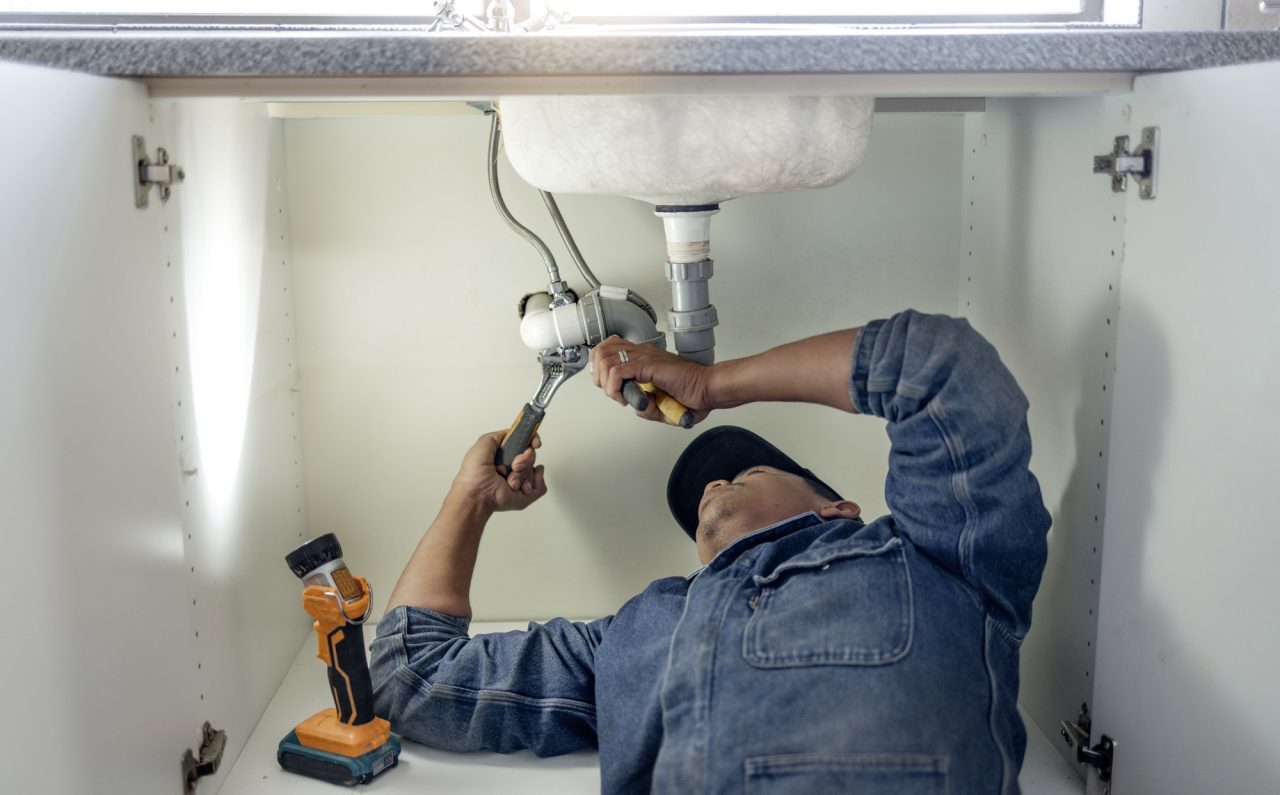
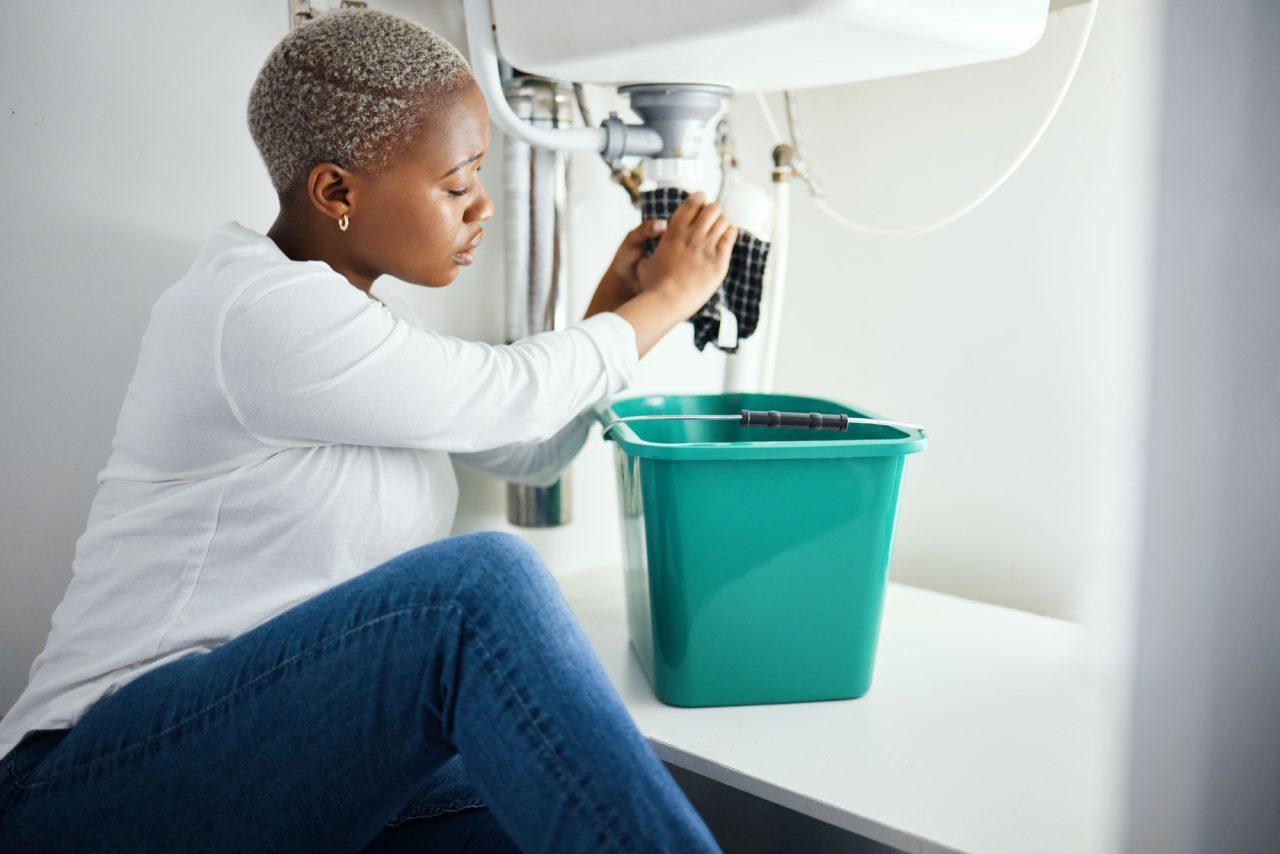
Roots seek moisture, and the small fissures in sewer pipes provide an entrance. Clogged lines frequently exhibit symptoms such as gurgling toilets, odors, or damp patches in the lawn. Older homes with clay or concrete pipes are more at risk, as these types of pipes are prone to cracking. At Yorkshire Plumbing & Drain Services, we use sewer cameras to inspect pipes and determine whether roots have invaded, then remove them using specialized tools or root-killing treatments. For Santa Rosa homeowners, acting swiftly reduces repair costs and can prevent more extensive damage. Below, discover key warning signs and what to do if you catch a problem.
Key Takeaways
- Homeowners need to be on the lookout for signs of tree root intrusion, including gurgling drains, slow drainage, foul odors, sinkholes, and multiple fixture clogs, as these can be early or late warning signs of a sewer line issue. By keeping an eye on these symptoms, you can stay proactive and keep the damage to a minimum.
- The mix of mature trees, Santa Rosa’s climate, compact local soils and old sewer lines make us prone to tree root invasion so we need to be more conscious of it. Only preventive maintenance can counter these unique risk factors.
- Tree roots can cause various damages to sewer lines, including initial cracks, growing blockages, pipe misalignment, and potentially total collapse, each leading to costly repairs and possible disruptions to home sanitation. Knowing these risks encourages proactive action and improved long-term planning.
- Mechanical augering, hydro-jetting, chemical treatments and trenchless repair are all effective removal and repair options, with unique benefits for varying degrees of root intrusion. Working with professionals guarantees proper, minimally invasive and effective techniques.
- Preventive measures like root barriers, non-invasive landscaping alternatives, keeping trees a safe distance from sewer lines and regular professional inspections, can help decrease the chances of root intrusion. Smart landscaping decisions and regular system inspections are key to long-term defense.
- Local rules such as obtaining permits, following repair codes, and vetting licensed contractors are essential to making sure your sewer line repair is up to code, safe and effective. Being aware of local requirements keeps your project from getting held up, or worse, getting into trouble with the law.
Why Santa Rosa Is Vulnerable
Santa Rosa’s sewer systems face significant risks from tree root intrusion due to local soil types, mature skyline trees, aged infrastructure, and the city’s climate. These factors combine to make invasive tree roots a major concern for homeowners regarding potential sewer line damage.
Factor | Impact on Root Intrusion | Example |
Mature Trees | Roots seek water, expand distances | Willows, poplars, figs exert pressure on pipes |
Aging Infrastructure | Old pipes crack, allow easy root entry | Leaks found in ~50% of properties |
Local Soil | Dense, moist soils attract roots | Compacted soils create pressure on pipes |
Santa Rosa Climate | Rain, freeze-thaw cycles damage pipes | Freezing temps, heavy rain cause backups, leaks |
The Local Soil
Dense soils in Santa Rosa tend to retain moisture, luring tree roots near pipes underground. This moisture is like root-magnet, particularly during dry periods when water is in limited supply.
Some soils facilitate roots’ ability to penetrate cracks or weak points in pipes. Compacted soils apply extra pressure on sewer lines, which eventually creates cracks. As the rains begin, rainwater can infiltrate deep into the soil and stimulate roots to sprout very close to the sewers. This unending dance of dry and wet seasons drives roots to seek water where pipes are most susceptible.
The Mature Trees
Old growth trees have expansive root systems. In Santa Rosa, willows, figs and American elms are notorious for aggressive roots. These roots don’t just stick to one spot, they travel long distances underground, often toward the nearest source of moisture: sewer pipes.
If a mature tree looms near a home’s sewer line, the threat of intrusion increases. While even robust, flourishing trees may be a problem, stressed or sick trees could dispatch even more roots, accelerating pipe damage. Routine inspections of tree health, combined with being aware of which species are in the vicinity, can help keep root problems from escalating.
The Aging Infrastructure
A lot of homes in Santa Rosa are dependent on aged sewer lines. These clay or old pipes are far likelier to crack under root pressure. Once a root has sniffed out a weak spot, it rapidly grows within, expanding the crack and causing leaks or blockages.
Repairs, repairs, repairs, that’s a red flag. If a home’s sewer line requires patching frequently, there’s a good chance the entire system is aging and vulnerable to serious root infestation. Replacing these lines with tougher materials is crucial to preventing future root-related issues and costly repairs.
Santa Rosa Climate
The area’s climate oscillates between wet winters and hot, dry summers. Downpours and flooding can overwhelm ancient sewer lines, backing them up. Freezing temperatures, while uncommon, can freeze and burst pipes, allowing roots to enter and create major leaks.
Tree roots flourish, ever searching for the next water. Every year, property owners like those in Santa Rosa pay for expensive fixes, just tree root damage runs about $1 billion globally.
How To Spot Root Intrusion
Roots can extend 30 meters from a tree, and the smallest hair-like feeder roots can cause significant sewer line problems by infesting even the slimmest fracture in sewer lines. Homeowners can observe several signs, such as excessive green grass, soggy damp patches in the absence of rainfall, and frequent drain difficulties, indicating that invasive tree roots have infiltrated your sewer system.
1. Gurgling Drains
Gurgling in drains, particularly in the toilet, often signals air trapped in pipes due to a tree root intrusion. If multiple drains produce this noise simultaneously, your main sewer line could be the issue. The sound of trapped air bubbles occurs as water tries to pass through a blocked section, suggesting invasive tree roots might be involved. When you hear gurgling, don’t hesitate, prompt action can help prevent a minor issue from escalating into a major plumbing emergency.
2. Slow Drainage
When sinks or toilets drain slower than normal, especially if this issue is occurring throughout the house, tree root intrusion in the sewer line could be impeding the flow. Kitchen sinks, showers, and toilets that slowly empty or won’t drain at all typically indicate a more extensive blockage, often caused by invasive tree roots. Left untreated, these slow drains can result in full clogs, leading to sewage backups. A professional sewer line inspection is the next smart step if slow drainage persists.
3. Unpleasant Odors
A sewage smell emanating from any drain is the first warning sign of tree root intrusion. Invasive tree roots can catch waste and water, leading to unpleasant odors rising through your pipes. If you notice a foul odor around plumbing fixtures or outside, it may indicate a potential backup is starting. If the smell persists, it is likely time for a professional sewer line inspection or cleaning. Acting quickly helps maintain your home’s hygiene and prevents further plumbing problems.
4. Sinkholes
If you notice sinkholes or soft, wet patches in your yard, even in the absence of rain, tree root intrusion is a probable culprit for sewer line problems. These sinkholes occur when the soil rains down from a leak underneath due to invasive tree roots that can shatter and move pipes, causing the earth to become unstable. These spots typically trace the course of the sewer line, sometimes indicated by additional green grass. Act fast to prevent additional structural damage.
5. Multiple Fixture Clogs
When multiple plumbing fixtures such as showers, sinks, or toilets, become clogged simultaneously, it’s often a sign of tree root intrusion blocking your main sewer line. If this happens frequently, request a professional sewer line inspection. Tackling invasive tree roots early can save on future repair expenses and keep your system running smoothly.
The Damage Roots Cause
Tree roots, particularly invasive root systems, are the number one cause of sewer pipe blockages, contributing to approximately 50% of sewer line problems globally. Their rapid growth can lead to significant plumbing issues, tree root damage, and costly repairs. The following table summarizes the primary types of damage tree roots cause and their immediate consequences.
Type Of Damage | Consequence |
Initial Cracks | Roots enter pipes, causing leaks and future blockages |
Growing Blockages | Slowed or stopped sewage flow, backups in drains |
Pipe Misalignment | Pipe joints shift, leaks form, repairs get harder |
Total Collapse | Complete pipe failure, property and infrastructure risk |
Initial Cracks
Just a hairline crack in a sewer pipe can beckon invasive tree roots. Most roots encounter these cracks looking for water, and once penetrated, they can rapidly widen the hole. The issue may begin small but can spiral out of control quickly as tree root growth keeps expanding. Routine checkups with new tools can help catch these initial fractures before roots grab. Early action prevents larger repair costs and eliminates emergencies.
Growing Blockages
Invasive tree roots that penetrate pipes can grow as much as 30 centimeters per day, leading to significant sewer line problems. Within the plumbing system, they snag debris, grease, and other waste, accumulating a thick sludge that impedes sewage flow. Homeowners may notice sluggish drains or repeated backups in tubs, sinks, or toilets. Ignoring these minor blockages can escalate into serious plumbing emergencies, making fast cleanup and root removal essential to prevent future root invasions.
Pipe Misalignment
Root pressure doesn’t only clog pipes, it can also lead to tree root intrusion that shifts them. When pipes aren’t aligned properly, they can leach sewage into the soil, amplifying invasive tree roots and causing water to collect in the yard or beneath the home. These adjustments create plumbing problems, making repairs a headache and sometimes necessitating large-scale excavation. Catching misalignment early during regular sewer line maintenance enables less invasive repairs.
Total Collapse
Such tree root intrusion can ultimately crush or break a sewer line, leading to serious plumbing problems. A collapsed line results in no drainage, potential flooding, and extensive property damage. These accidents are expensive and invasive, often necessitating the replacement of entire sewer lines. Early warning signs include powerful odors, gurgling drains, and sudden, intense sewage backups. Quick response saves a breakdown and the steep expenses that ensue.
Your Removal And Repair Options
Tree root intrusion in sewer lines is a common issue that causes clogged pipes, sewage backups, and costly repairs. At Yorkshire Plumbing & Drain Services, we offer several repair and root removal options depending on the extent of damage and your system’s condition:
- Mechanical Augering: Our technicians use professional-grade augers to remove thick root clogs efficiently while protecting your pipes from damage.
- Hydro-Jetting: We use high-pressure water to blast away stubborn root masses and buildup, then follow up with a camera inspection to ensure thorough cleaning.
- Chemical Treatments: We offer safe, effective foaming root killers and other inhibitors to slow or prevent regrowth, ideal for maintenance in early-stage cases.
- Trenchless Repair: When needed, we use pipe lining or pipe bursting to fix or replace pipes without digging up your yard.
- Full Replacement: If damage is extensive, we handle full sewer line replacements, often using trenchless technology to minimize disruption.
Mechanical Augering
Mechanical augering is an offensive strategy that employs a large drum auger equipped with a powerful root-cutting blade. This gear, in particular a cable running over 30 meters, can break through thick root clogs fast. Professional-quality augers are required to prevent pipe damage, and expert technicians should run them for optimal results.
Post-augering watch over the pipe. The roots are eliminated, cracks or holes in the pavement left behind can permit new roots to re-emerge. If you have repeat blockages, annual inspections and maintenance might be a useful option.
Hydro-Jetting
Hydro-jetting uses high-pressure water streams to remove root masses and clean out pipe walls. Very effective at removing stubborn blockages and getting the flow of sewage moving again. It works on older clay and newer PVC, as long as it’s structurally sound.
Periodic hydro-jetting, perhaps every one to two years, will keep your lines clear and reduce the risk of future backups. This method is frequently combined with camera inspections to ensure that no lurking debris or root pieces persist.
Hydro-jetting isn’t just effective at removing roots, it helps clean away accumulated sludge and grease, helping to extend the life of your pipes.
Chemical Treatments
Chemical root killers are a useful option for minor root issues or maintenance. For instance, foaming root killers are flushed down the toilet, so the foam can coat pipes and kill roots. Rock salt, with approximately 900gm flushed into the line, can be used, but it affects soil bacteria and will kill plants in the vicinity if overused.
Chemical inhibitors can extend root regrowth inhibition for up to three years, maintenance is still required. If you use any of these, be careful with the chemicals, keep pets and kids away, and observe whether or not there’s enough progress to warrant a second pass.
Trenchless Repair
Trenchless repair, pipe lining or bursting for example, can save you from excavating your entire yard to fix a sewer line. These methods can reduce expenses by 30-40% over conventional digging. Pipe lining is a resin tube that hardens inside the pipe, and pipe bursting replaces the pipe altogether by pulling a new one through.
These are smart approaches for repairing damage and avoiding future root intrusion. As always, check with your pros to see if trenchless alternatives make sense for your system.

Proactive Prevention Strategies
Tree root intrusion in sewer lines is a significant problem for homeowners. Understanding how invasive tree roots invade pipes and taking early action can prevent major sewer line problems. Proactive prevention involves addressing tree root growth before it leads to costly repairs.
- Place root barriers close to sewer pipes to prevent new root intrusions.
- Plant trees a minimum of 3 metres away from sewer lines, more for large trees.
- Plant less invasive tree species near pipes.
- Set up camera inspections every 1-2 years to detect root problems in their infancy.
- Use chemical root inhibitors to kill roots and prevent growth for up to three years.
- Sprinkle foaming root killers in small quantities to maintain pipes clear.
- Hydro jetting to strip away small root buildup before it blocks pipes.
- Educate your whole household on the importance of routine pipe inspections.
- Keep routine maintenance records for future reference.
- Have experts check out aging pipes or homes with large trees.
Strategic Landscaping
Consider before you plant a tree next to a sewer line to prevent potential sewer line damage. Tree placement planning keeps invasive tree roots out of pipes. Trees with mild roots, such as dogwood or Japanese maple, are preferable to aggressive types, such as willow and poplar. Keep a minimum of 3 meters free between trees and pipes, but provide more room for larger varieties. Additionally, a professional sewer line inspection can help identify any existing issues. Inspect your yard annually, if a tree has grown too close or appears damaged, think about relocating it or replacing it with a more secure alternative.
Sewer Line Root Control
Root barriers are essential for preventing tree root intrusion into vital pipes, as they create a physical barrier that redirects invasive tree roots. Choosing a suitable material, plastic, metal, or fabric, depends on your soil and climate. For optimal results, consider installing these barriers alongside new landscaping or during sewer line maintenance, especially for properties with mature trees and landscaping.
Routine Sewer Checks
Routine inspections are your first defense against root-related sewer damage. At Yorkshire Plumbing & Drain Services, we recommend sewer line inspections once or twice per year, especially for older homes or properties with large trees nearby. Using advanced camera technology, we can pinpoint early signs of trouble and recommend the most efficient treatment or repair.
Education And Maintenance
Inculcate in all of them the importance of checking for invasive tree roots and maintaining good records on sewer line maintenance.
Navigating Local Requirements
We know Santa Rosa’s local plumbing codes and permit processes inside and out. At Yorkshire Plumbing & Drain Services, we handle all required permits and follow current repair standards so your sewer work is up to code. This protects your home, your budget, and your peace of mind.
Sewer Permit Requirements
Obtaining the proper permits is the initial action of any sewer line undertaking, especially when dealing with potential sewer line damage caused by invasive tree roots. In Santa Rosa, for example, homeowners must secure permits before starting work, particularly if older pipes need replacement due to tree root intrusion. Working without a permit can lead to severe fines or renegotiations. The process requires detailed plans, proof of ownership of the property, and sometimes even soil reports, depending on the extent of the sewer repair needed.
It’s always wise to check with the city’s building department to ensure compliance with all requirements, whether for minor repairs or major replacements. Local regulations often shift, so current advice from officials is invaluable. Many homeowners are unaware of the necessary paperwork and nearly half admit to feeling ‘clueless’ when faced with the threat of tree root damage in their sewer systems.
Repair Standards
Santa Rosa implements rigorous repair compliance to maintain sewer integrity. The city disallows some older pipe types, such as clay or cast iron, for new repairs because these are more prone to tree root cracking. Complying with these standards isn’t only to get through inspections, it guarantees safety for years to come and prevents tree roots, such as willows or poplars, from damaging anew.
Each repair is subject to city inspection when work is complete. Bypassing this step can void insurance or even halt home sales down the line. Homeowners should request contractors adhere to local codes and arrange post-repair inspections to confirm.
Contractor Vetting
Not every plumber is eligible for the city’s sewer line repair guidelines. Make sure a contractor is properly licensed and insured. Request references and reviews, particularly for jobs that will remove roots from older pipes. Interview at least a couple of guys, two or three contractors, to compare approaches and costs.
Contractors should know local standards, how tree roots from species such as American elms can destroy pipes, and provide prevention tips, such as routine inspections or installing air gap filtration systems to prevent root intrusion.
Final Remarks
Roots in pipes stress a lot of folks in Santa Rosa! Rapid root growth breaks old clay and concrete pipes. Wet winters accelerate the danger. Slow drains, bad smells, or green patches in your yard can be early warnings. Early inspections by Yorkshire Plumbing & Drain Services can prevent big expenses. Repairing cracks with trenchless equipment or pipe liners is efficient and effective. Local regulations dictate the proper way to repair, so be sure to consult professionals who know the area. To protect your pipes, trim roots, flush regularly, and install root barriers.
Ready to protect your pipes or need expert advice? Contact Yorkshire Plumbing & Drain Services today.
Frequently Asked Questions
1. What Are Common Signs Of Tree Roots In Sewer Lines?
Slow drains, clogging, and gurgling, along with foul-smelling odors from drains, are typical indicators of tree root intrusion. If you see these symptoms, it can indicate invasive tree roots have infiltrated your sewer line.
2. Why Are Santa Rosa Homes More At Risk For Root Intrusion?
Santa Rosa’s countless mature trees can lead to tree root intrusion in aging sewer systems. Older pipes are more susceptible to cracks, allowing invasive tree roots to penetrate.
3. Can Tree Roots Cause Serious Damage To Sewer Systems?
Yes. Invasive tree roots can fracture pipes, create leaks, and obstruct wastewater flow, leading to expensive repairs, sewage backups, and even property damage if not addressed promptly.
4. How Are Tree Roots Removed From Sewer Lines?
They employ techniques such as mechanical cutting, hydro jetting, and chemical root killers to manage invasive tree roots. The right choice depends on the severity and condition of the sewer line.
5. What Can Homeowners Do To Prevent Root Intrusion?
Get regular sewer inspections to prevent tree root intrusion, don’t plant trees near sewer lines, and fix small cracks right away. Maintenance prevents major issues and saves money in the long run.
Need A Sewer Inspection In Santa Rosa? Fast, Honest, Local Pros Are Just A Call Away
Bad smells, backed-up drains, or slow toilets? Don’t wait for a messy emergency. The trusted team at Yorkshire Plumbing & Drain Services is here to catch sewer problems before they turn into major repairs. With nearly a decade of experience and advanced sewer camera tech, we quickly pinpoint what’s going on underground, and give you real answers, not scare tactics.
Whether you’re buying a home, dealing with weird plumbing symptoms, or just overdue for an inspection, we’ve got your back. Call or message us today for a no-cost estimate. We offer same-day service when possible and are always ready for urgent jobs. Head to our Contact Page or give us a ring, Yorkshire Plumbing is your go-to, family-owned sewer inspection team in Santa Rosa.
Disclaimer
The information provided on this website is for general informational and educational purposes only and is not intended as professional plumbing or construction advice. You should consult with a licensed plumber or qualified contractor for guidance specific to your home or situation. Do not rely solely on the content of this site to make decisions about plumbing repairs, installations, or maintenance. While we strive to keep the information current and accurate, it may not reflect the most recent industry standards or code requirements. Yorkshire Plumbing & Drain Services disclaims all liability for any actions taken or not taken based on the content of this site, to the fullest extent permitted by law.