A burst pipe in Santa Rosa means water can infiltrate quickly and do true destruction before assistance arrives. Water on floors, walls, or ceilings can cause mold, warped wood, or messed up wirings. Not all leaks look the same; some spray while others drip in hidden spots. Shutting off the main water valve is key, and moving things out of harm’s way helps limit loss. Towels or buckets can slow the water until a pro arrives. Knowing if the leak touches power is important for safety. Early action prevents unnecessary damage to your home and minimizes clean-up costs. The next sections detail useful actions you can take immediately while awaiting repairs.
Key Takeaways
- Turning off the main water and electricity in affected rooms can save you additional damage and mitigate risk during a burst pipe emergency.
- Rapidly controlling water with towels, buckets, and plastic sheeting minimizes damage to property and contents.
- Make sure to document all damages and all actions taken. Take photos and keep receipts for insurance claims and any future repairs.
- Santa Rosa locals know that they have local risks to worry about: earthquakes, clay soil, and winter rain, which can wreak havoc on plumbing systems.
- By steering clear of such pitfalls as using the wrong tools, overtightening fittings and ignoring codes, you boost not only your repairs’ effectiveness but your safety as well.
- Frequent plumbing inspections, mechanical maintenance, and quality materials are essential for avoiding future pipe disasters.

Your Santa Rosa Emergency Action Plan
A burst pipe can flood your home in minutes and result in costly repairs, sometimes over $5,000. In plumbing emergencies, time is of the essence. A step action plan keeps damage and stress down. The faster you act, the less water there is to mop, the fewer destroyed items, and the better chance of insurance kicking in for restoration. The main things to focus on are: stop the water, kill the power, contain the mess, call for help, and document everything related to the plumbing issue.
1. Stop the Flow
Locate your main water valve, generally close to the meter or where the pipe enters your home. Turn it off immediately to stop the water flow from the burst pipe repair situation. This is the critical action; every minute you waste can translate into more expensive plumbing damage. Catch any water still leaking from the pipe with buckets or containers. Inspect surrounding pipes and joints for additional leaks, particularly in freezing conditions. If you notice another leak, turn off the water to that area if you can. Line the area to keep people and pets away. Wet floors are slippery and dangerous.
2. Kill the Power
Water and electricity are a dangerous combination, especially during plumbing emergencies. Cut power in any portion of the home that’s wet and check for exposed wires or outlets near the pipe leak, which can pose a shock hazard. If you’re uncertain about the situation, it’s best to call a professional plumber for immediate crisis management.
3. Contain the Damage
In the event of a plumbing emergency, place towels or rags around the pipe leak to absorb water. Wrap furniture, electronics, and personal effects with plastic or even trash bags to protect them from water damage. Use buckets to reroute water from sensitive spots like wood floors or electronics. Relocate crucial papers and valuables to elevated locations immediately. Timely action here minimizes the impact of common pipe issues and keeps the cleanup job smaller.
4. Call for Backup
- Emergency plumbing repairs (24/7)
- Water damage cleanup and drying services
- Insurance claim support specialists
- Community recommendations for trusted local plumbers
Once you’ve turned off the water and power, contact a reliable pipe repair service that provides emergency plumbing services. Inform your insurance company to initiate a claim. If you notice pooling or concealed water, locate a water mitigation company. Check with neighbors or friends for the names of quality plumbers to address any plumbing emergencies.
5. Document Everything
Make sure to snap photos and videos of all water damage, including walls, floors, and personal belongings. Document the timeline of the plumbing emergency, noting when the pipe leak occurred, what actions you took, and when assistance arrived. Keep detailed notes on calls with your professional plumber or insurance agent, along with all receipts for necessary repairs and cleanup, as these will be essential for your claim.
Recognizing a Pipe Emergency
Pipe emergencies can escalate from minor leaks to torrential water damage, so be prepared and respond immediately. Common pipe issues can occur in minutes, resulting in flooding that causes severe damage and costly repairs. Most typical plumbing emergencies involve burst pipes, leaky faucets, frozen pipes, or clogged pipes. In winter, frozen pipes are a concern, and emergency plumbing services can help mitigate repair bills that may exceed $5,000. Knowing the warning signs can help limit damage until professional plumber assistance arrives.
Subtle Signs
Water stains on ceilings or walls might indicate that there’s a leak behind them. These marks can begin light yellow or brown and intensify as time passes. That musty smell in a room typically indicates mold, which develops when pipes drip for days undetected.
Look at areas surrounding sinks, toilets, bathtubs, and under cabinets for damp spots. Even a tiny wet patch or peeling paint can be a tip-off. A leaky faucet dripping all day long can waste more than 340 liters, which is 90 gallons, every 24 hours. If you can catch these leaks early, you can save money and water.
If you notice a shift in water flow or pressure while operating your faucets or toilets, it could indicate a clog or break. If you hear dripping or gurgling from pipes, it could indicate either a slow leak or a blockage forming. Mold from leaks isn’t just a hazard; it’s a sign of water damage.
Obvious Indicators
Any visible leaks or a burst pipe require immediate attention. If you notice water spraying or pooling, turn off your main valve immediately. A flooded basement or crawl space indicates a pipe failure that requires urgent repair.
If water is pooling around your appliances or fixtures, it typically means a joint or hose has loosened. Mold or mildew on walls, floors, or baseboards is an indication that moisture is there and must not be overlooked.
A clogged, overflowing toilet is one of the most frequent plumbing emergencies. These problems can cause expensive repairs and even structural damage if not repaired quickly.
Santa Rosa Specific Risks
Santa Rosa Specific Risks can increase the risk of plumbing emergencies, such as burst pipes or water leaks in residences and commercial establishments. Homeowners ought to be aware of these risks to prevent major plumbing emergencies and help mitigate significant damage.
- High seismic activity from earthquakes can rupture pipes and destroy water infrastructure.
- Clay soil in the area swells and shrinks, putting pressure on foundations and buried pipes.
- Seasonal rains pose flooding threats along with increased water pressure and leaks.
- Cold winters may freeze exposed pipes if not insulated or heated.
- Being close to the Russian River makes them more susceptible to flooding during storms.
- Santa Rosa specific risks: Wildfire threats can cause changes in water use and supply, which can become very rapid.
- Coastal weather, including storm surges, could strain plumbing and drainage.
Seismic Shifts
There are real earthquake dangers in Santa Rosa. Even in a quake, the shaking can break or shift pipes, resulting in hidden leaks or sudden bursts. A lot of the older homes are not built to modern standards and might have pipes less able to cope with the shaking. To mitigate risks, pipes and water heaters need to be strapped or braced. This prevents them from shifting excessively in an earthquake. Frequent inspections for cracks, loose joints, or rust assist in identifying vulnerabilities prior to an issue occurring. Building codes in Santa Rosa have evolved, so it’s useful to understand whether your home has been built up to newer standards.
Clay Soil
Clay soil in Santa Rosa is very sensitive to water fluctuations. Clay, when wet, expands and exerts tremendous pressure on pipes. In dry periods, it contracts, rending pipes asunder. This movement can crack pipe joints or shove them out of alignment. Laying down proper drainage, such as French drains or gravel beds, prevents water from pooling around foundations. Flexible piping, like PEX, bends and flexes with the soil better than those ancient metal pipes. Look for slow leaks or new cracks in walls. These can be early warning signs of soil shifts.
Regular inspections after heavy rain or drought aid in early trouble detection. Selecting pipe materials tailored to soil conditions will decrease the risk of breakage down the road.
Seasonal Rains
The sad fact is, rainy winters can saturate the ground and force water where it doesn’t belong. Gutters and downspouts should be clean so water drains away from houses. Clear outdoor pipes and drains of dirt and leaves before storms. Homes near the Russian River are threatened with flood damage, particularly during heavy rain.
Flooded soil can back up drains, and sewage can flow the wrong way. Prepare for fast pipe fixes and have emergency numbers on hand as the wet season approaches. A little preparation, such as visiting a basement window or testing a sump pump, can keep you out of a world of hurt.

Common Homeowner Mistakes
A lot of homeowners try to intervene when a plumbing emergency hits, especially during a burst pipe repair situation. Quick decisions are important, but going in without proper plumbing knowledge or tools can exacerbate the problem. Understanding common pipe issues will at least help keep the damage in check until professional plumbing services arrive.
Wrong Tools
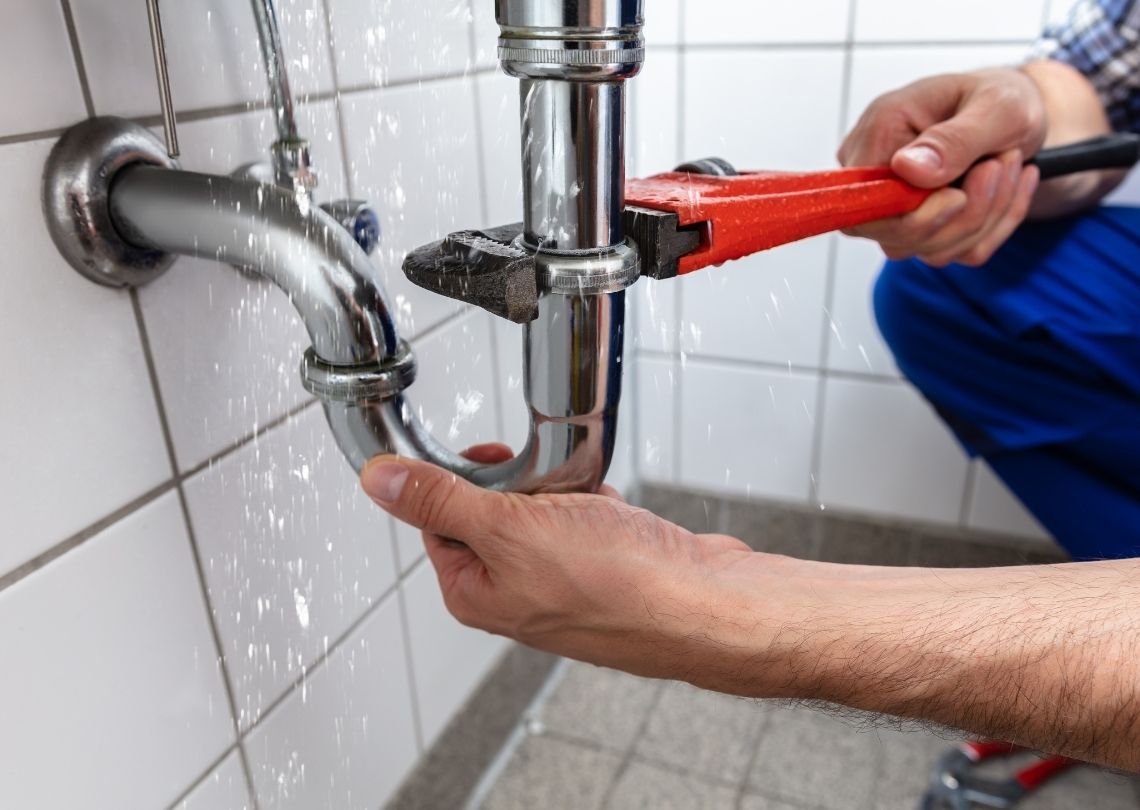
Using the wrong tool for plumbing emergencies can lead to serious problems. Grabbing a standard wrench, hammer, or screwdriver often causes more damage than good, especially when dealing with common pipe issues. Pipes, particularly soft metals or plastics, can easily dent or crack under excessive force from improper tools. A pipe wrench or adjustable pliers should grip and turn pipes without crushing them, making them essential for any reliable pipe repair service. Investing in quality plumbing tools is vital for homeowners to avoid future plumbing emergencies. If unsure about the right tool, consult a professional plumber to prevent additional leaks or broken fittings.
Overtightening
Overtightening pipe fittings may seem like a good idea, but it often backfires and leads to serious plumbing situations. When fittings are too tight, the threads can rip or crack, causing fresh leaks and potentially resulting in a plumbing emergency. Homeowners sometimes attempt to force a seal, believing it will prevent future drips, but this practice usually weakens the pipe and exacerbates common pipe issues. Instead of tightening further, it’s crucial to inspect connections for moisture or a slow drip to avoid major plumbing emergencies.
Ignoring Codes
Local plumbing codes are essential for safety and quality, especially when dealing with plumbing emergencies. Many homeowners neglect these guidelines, risking not only poor installations but also potential fines or insurance issues. Plumbing codes are subject to change, and a solution that was acceptable years ago might not meet current standards. Before any pipe repairs, it’s crucial to verify the latest codes and consult a professional plumber. Licensed plumbers can ensure your fixes comply with local regulations, as missing this step could turn a minor leak into a major plumbing emergency.
The Aftermath of a Burst Pipe
If left untreated, a burst pipe can wreak havoc on your daily life, resulting in significant water damage and possibly causing health hazards. The first 15 minutes after a plumbing emergency hits are crucial. Taking immediate action minimizes damage from plumbing emergencies and may prevent a huge repair bill. Turn off the water first, then the power to the water is shut off to the outlets or wiring. Don’t do slap patches; they won’t hold under pressure and can exacerbate the situation.
Water Damage
Begin by locating every piece touched by water, including floors, walls, and ceilings in adjoining rooms that could be saturated. Prioritize the largest pools and shift furniture and belongings from dampened zones to avoid additional damage. In cases of plumbing emergencies, such as a pipe leak, timely action is crucial to prevent further issues.
Take good photos and videos of all damage as documentation for insurance claims and repair crews who’ll need to know the full scope. This step is especially important before you begin cleaning, as it helps address any plumbing issues effectively.
The standing water needs to go immediately. Use mops, towels, or wet vacs if you have them. The longer water sits, the greater the risk for permanent damage and health complications, especially in the case of a clogged toilet or burst pipe repair situation.
If water has leached into floors or walls, or you have an older home with traditional plaster, bring in water damage restoration professionals. They employ industrial fans and extractors to dry exposed surfaces beyond the capacity of home equipment, ensuring that all plumbing needs are met efficiently.
Mold Growth
Mold can begin to grow in 24 to 48 hours in damp areas. Look in corners, under carpets, behind baseboards, and inside cabinets, particularly in the rooms that remained wet for an extended period of time.
Get these areas dried fast! Open up windows if the weather permits. Start the air circulating with any fans and dehumidifiers you can muster. Removing the moisture quickly prevents mold before it begins.
If you detect mold, get help from experts. Mold remediation pros have the right tools and safety equipment to remove it safely and thoroughly.
Structural Integrity
The flood from a burst pipe can compromise your home’s structure. Keep an eye out for cracks in walls or floors, floors that feel spongy or uneven, and doors or windows that start sticking.
If you observe any of these, repair immediately to prevent additional damage. Occasionally, the damage is covert. A structural engineer can survey the location and provide a report.
Schedule repairs with safety in mind. Fix what caused the pipe to burst in the first place.
Preventing Future Pipe Disasters
Burst pipe prevention is about being proactive, not reactive. Most plumbing emergencies are due to ignored warnings or deferred maintenance, not freakish bad luck. These are basic measures that can save you water, money, and stress down the line.
Scheduled plumbing inspections can identify common pipe issues before they escalate into major plumbing emergencies. It’s prudent to search for leaks, rust, or even visible frost on pipes, particularly in cold weather. Frost is an obvious indication that the pipe could freeze and burst open on its own. Pipes have weak spots in older homes. Inspecting pipes in basements, crawl spaces, and beneath sinks can spot issues early. Even a small leak can waste a lot of water. Worldwide, leaks waste more than 3.7 billion liters annually, and 10% of homes lose above 340 liters daily from leaks. Repairing these leaks benefits the environment and your bank account.
Staying on top of preventative maintenance is another crucial measure. This means clearing drains, inspecting for blockages, and ensuring pipe insulation is intact. When it gets really cold, it’s wise to let faucets drip. This keeps water flowing and can prevent pipes from freezing. Frozen pipes cause expensive, major repairs that run over $5,000 on average, excluding ruined floors, furniture, or keepsakes. If you ever spot frost on a pipe, move quickly to warm it up or call a professional plumber.
When work must be done, use quality parts and craftsmen. A quick fix doesn’t have to be a cheap fix, and it shouldn’t fail when it’s needed the most. Smart pipes, solid joints, and trusted pros all pay off. Bad repairs can translate to leaks, wasted water, and additional repairs later.
Here’s a list of steps to help lower your risk:
- Know where your main water shut-off is. Shutting off the water quickly can prevent damage during an emergency.
- Inspect pipes to avoid future disasters.
- Insulate pipes in unheated spaces, like attics or garages.
- Allow faucets to drip during freezing weather.
- Fix minor leaks immediately, no matter how insignificant they may appear.
- Prevent future pipe disasters by using quality materials and licensed plumbers for repairs or upgrades.
Conclusion
Burst pipes in Santa Rosa create a ton of mess and stress. Simple actions such as shutting off the water and relocating items can make a world of difference when it comes to time and expense. Santa Rosa’s local water risks and weather make pipes more susceptible to bursting, so a little caution goes a long way. Missed steps or waiting too long will lead to major repairs and mold. Be proactive, inspect pipes regularly, and be prepared with your emergency contacts. To protect your home, pass this advice along to your friends and neighbors. Have additional questions or need more advice? Contact a local plumber or visit reliable home repair websites for assistance.
Frequently Asked Questions
What should I do immediately after a pipe bursts in my home?
Shut off your main water valve immediately to prevent plumbing emergencies. If safe, turn off the electricity near the leak to minimize water damage and health hazards before the professional plumber arrives.
How can I recognize a burst pipe emergency?
Detect it with sudden water pooling, low water pressure, or unusual noises in walls, as these are often signs of plumbing emergencies like a burst pipe that requires immediate action.
Are there unique risks to burst pipes in Santa Rosa?
Hey, Santa Rosa, we can experience both sunshine and quick temperature drops, along with earthquakes, which can lead to unexpected plumbing emergencies like a burst pipe or major plumbing emergency. Regular inspections are key to preventing severe water damage.
What common mistakes do homeowners make during a pipe emergency?
They often wait too long to shut off the main water supply during plumbing emergencies or attempt to repair the pipe themselves, leading to severe water damage and more expensive pipe repairs.
What steps should I take after the water has been shut off?
Use towels or buckets to remove excess water from plumbing emergencies. Relocate valuables to a dry location and photograph damage for insurance.
How can I prevent burst pipes in the future?
Protect exposed pipes, especially prior to cold weather seasons, to prevent plumbing emergencies like a burst pipe repair situation. Regular plumbing inspections are essential for addressing common pipe issues, and knowing the location of your main water shut-off valve can help mitigate unexpected plumbing emergencies.
Will my insurance cover water damage from a burst pipe?
Almost all home insurance covers sudden and accidental water damage, including plumbing emergencies. Check your policy or call your provider to verify coverage for pipe repairs.
Water Services in Santa Rosa — Fast, Reliable, and Trusted Experts
When water problems hit your home, quick action matters. Whether you’re dealing with a leak, low pressure, or a burst pipe, Yorkshire Plumbing delivers fast, professional water service throughout Santa Rosa.
Our licensed plumbers specialize in diagnosing and repairing all types of water line issues using advanced equipment and proven methods. From pinpointing hidden leaks to replacing old pipes, we provide dependable solutions that protect your home and restore proper flow.
With nearly a decade of experience serving Sonoma County, we’ve built a reputation for honest communication, quality workmanship, and long-lasting results. We don’t just fix the problem, we make sure it stays fixed.
From emergency water line repairs to full system upgrades, Yorkshire Plumbing is your trusted, family-owned choice for reliable water services in Santa Rosa. Contact us today for a free estimate. We offer same-day service whenever possible and are always ready for urgent calls.
Disclaimer
The information provided on this website is for general informational and educational purposes only and is not intended as professional plumbing or construction advice. You should consult with a licensed plumber or qualified contractor for guidance specific to your home or situation. Do not rely solely on the content of this site to make decisions about plumbing repairs, installations, or maintenance. While we strive to keep the information current and accurate, it may not reflect the most recent industry standards or code requirements. Yorkshire Plumbing & Drain Services disclaims all liability for any actions taken or not taken based on the content of this site, to the fullest extent permitted by law.