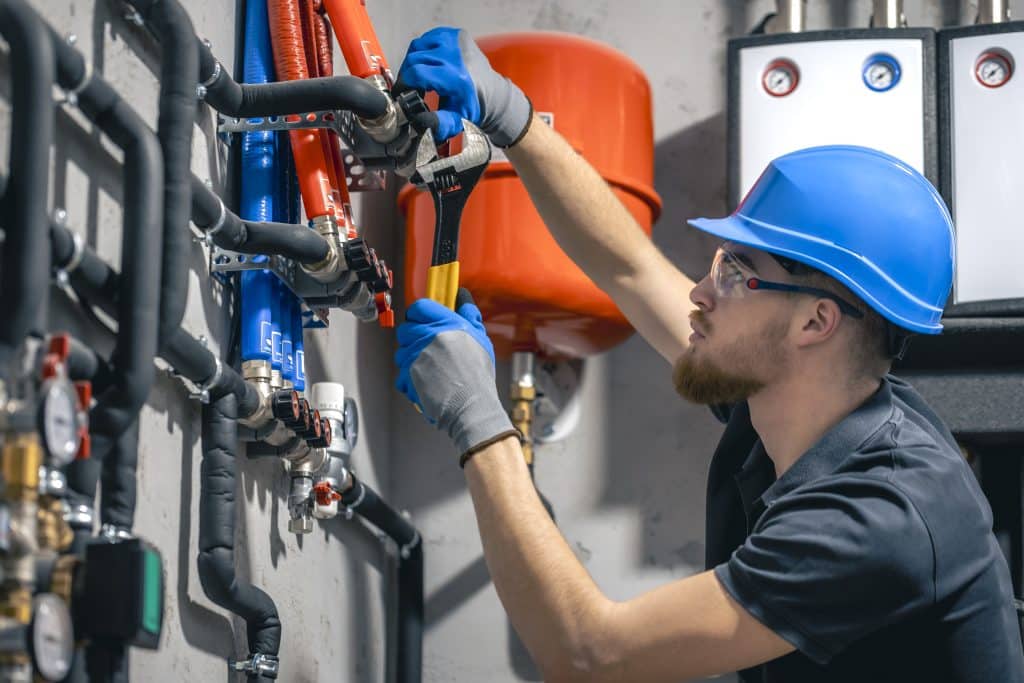


Backflow devices commonly fail due to stuck valves, worn seals or debris that obstruct water flow. They prevent contaminated water from contaminating potable water in residential piping. When they do, the possibility of water contamination in the home escalates quickly. The majority of problems stem from poor maintenance or aging components deteriorating over time. Homeowners can assist in keeping these devices functioning properly by performing basic inspections every year, contacting a certified plumber for routine testing, and replacing old or damaged components promptly. Some indicators are leaks, strange noises, or loss of water pressure. The body will explain why these failures occur and provide actions homeowners can take to repair or prevent them.
Key Takeaways
- Frequent inspection of backflow devices for internal degradation, material corrosion, and design defects is essential for safeguarding efficient water systems. Identifying leaks, corrosion, or misalignments early can help avoid catastrophic failures and expensive repairs.
- These devices are at the mercy of environmental factors like extreme temperatures, flooding, and debris accumulation, which can significantly impact backflow preventer performance. Proactive steps such as adequate insulation and debris control assist in reducing these dangers.
- The key to backflow device failure is unstable water pressure. They install pressure gauges and adjust regulators to make sure that excessive or fluctuating pressures do not damage the system.
- Annual backflow testing with certified pros helps you stay compliant with local regulations and maintain the integrity of your system. Good record keeping of test results and maintenance history contributes to long-term reliability.
- What to do when a backflow device fails, including turning off the water and calling authorities if contamination is suspected. Fast action mitigates the potential for harm to property and health.
- By choosing experienced, licensed technicians to complete repairs and inspections, you ensure that all backflow prevention work is completed to safety and code compliance standards. Researching provider credentials and community recommendations is key.
Uncovering Backflow Device Failure
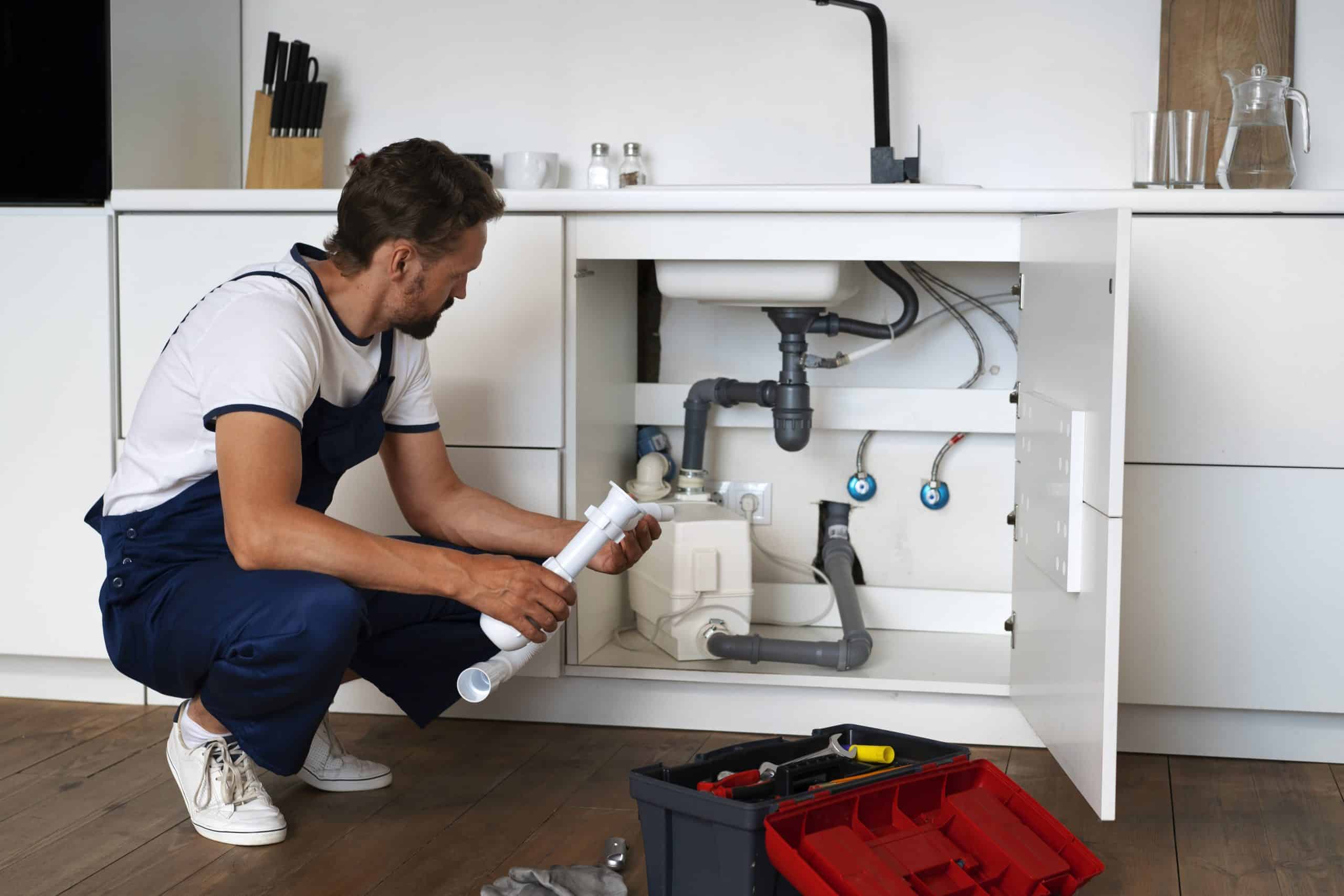
Backflow devices save water from contamination. Their failure has serious health and regulatory repercussions. By understanding what causes a backflow device to fail, whether it is internal wear, installation errors, environmental factors, material decay, pressure issues, or other reasons, homeowners and professionals can make informed decisions about inspection and maintenance.
Internal Wear
Rubber seals and moving components within a backflow preventer are susceptible to degrading over time. When these seals fail, minute leaks can occur, jeopardizing water safety. Cracks within the device, nearly impossible to detect through external inspection, indicate more serious internal damage and allow contaminants to seep through. Corrosion of the metal is another frequent offender, particularly in older models. Extended use without inspection accelerates this degradation and becomes commonplace for backflow devices that are over 25 years old.
Installation Flaws
One of the primary causes of device failure is improper installation. Devices not installed in accordance with local codes may malfunction or fail annual regulatory testing. Misaligned valves can hold the shut-off from closing fully, which is a key requirement for proper functioning and testing. Loose connections provide an opportunity for leaks. Reviewing installation records and validating compliance requirements mitigate risk and create sustainable, long-term reliability.
Environmental Stress
Freezing can crack valves and damage seals, especially for above ground preventers. Freezing weather is a clear villain, so winterizing by draining unused irrigation lines is an easy step. Soaking rain or floods suddenly gush into the system, pushing debris into the device. Even minor sediment in the water supply or nearby construction work can lead to scale, build-up, and blockage, inhibiting function.
Material Decay
Rubber components dry out, crack or deform with age, causing leakage. Not all materials are created equal. Better grade metals and plastics fend off rust and rot longer. Corrosion is an insidious danger, but over decades it can render a device untrustworthy. You can extend the life of those parts by investing in quality parts. This is crucial in postponing rot and expensive, premature replacement.
Pressure Dynamics
Water pressure changes induce backflow. High or variable pressure stresses valves. Pressure regulators assist in maintaining these levels, but sudden surges such as those resulting from a pipe burst can still put a backflow preventer to the test. Detecting backflow device failure by monitoring pressure and remediating irregularities is a necessary preventative step.
Identify Early Warning Signs
Backflow devices are necessary to prevent water from back flowing and contaminating clean water with dirty water. Recognizing problems early can reduce liabilities and expensive remedies. Being aware of the warning signs keeps water safe and systems running.
Leaks that you can see around a backflow device are usually where you see the onset of an issue. Leaks of any kind, drips, puddles, or wet spots at the pipe joints or nearby the device could indicate loose fittings, cracks, or a seal that has worn out. Leaks can allow outside substances to infiltrate the water supply, which is a direct health hazard. Homeowners should inspect the vicinity around valves and connections, as a minor leak can worsen over time. Over ten years, devices are more susceptible to these sorts of problems and should receive more scrubbing or even total replacement.
Discoloration in tap water is a telltale sign of impending doom. If water appears brown, yellow, or cloudy, or tastes or smells strange, that can indicate that the backflow device is malfunctioning. Contaminants or debris could have gotten into the supply. Sediment build-up inside the unit usually leads to these types of changes, particularly in hard water areas or very old pipes. If water tastes or smells like chlorine, rust, or earth, you should immediately review the backflow preventer.
Strange sounds, such as banging or knocking (commonly referred to as water hammer), indicate pressure problems in the pipe. These noises tend to appear more frequently during abrupt water flow initiations or cessations. They can indicate that air or water is trapped or that valves inside the backflow device are not opening or closing as they should. This can be the result of internal erosion, sediment, or improper installation. Freezing can crack parts and cause similar noise in cold weather climates.
Lumpy water is a further warning. If water pressure drops unexpectedly, it might indicate that the equipment is jammed with sediments or has a fractured component. Without some testing or maintenance each year, these issues tend to pile up. Incorrect installation, such as bad alignment or insufficient support, can cause premature failure of the device.
Proactive Backflow Prevention Tips
Backflow prevention devices prevent contamination by stopping reverse flow of water into the water supply. Failures can happen for all sorts of reasons, but preventing them begins with regular inspections and interventions. Homeowners, particularly those with pools or irrigation, must be vigilant about system modifications.
Schedule Annual Tests
Annual testing isn’t just a technicality. It’s a health precaution. All devices need to be tested at least annually and sooner if you have changes in your water use or pressure fluctuations in your home. Certified testers offer experience and comply with local health regulations. Documentation of results from each test is required. This history assists in identifying patterns or repeated breakdowns. Marking calendars or setting digital reminders to not forget inspections helps to reduce the possibility of system neglect. Inspecting devices prior to high-demand seasons, such as summer irrigation, reduces the chance of a system failure when it’s needed most.
Insulate Properly
Backflow devices are out in the weather. Insulation is your friend for cold and heat. Unprotected valves, for example, can freeze, crack, and introduce pathogens in winter. Be proactive with backflow prevention tips. Sun protection delays aging and prevents plastic and rubber gaskets from premature deterioration in hot climates. Inspect your insulation a couple of times a year and check for gaps, wet spots, or damage. Insulation should not inhibit access, so repairs or tests remain easy and fast.
Monitor Water Pressure
Unmonitored pressure tears backflow devices up quickly. Installing a pressure gauge provides immediate feedback. Readings taken regularly can reveal if the system is straining. If you see a sudden increase or decrease, respond immediately. Sometimes, it’s as easy as adjusting a regulator. If that doesn’t work, call a pro. Sustained high pressure can split seals or warp valves, so regular inspections are time well spent.
Educate Homeowners
Understanding the fundamentals of how backflow occurs is crucial. As a homeowner, know why regular inspections and timely repairs are a must. Even minor leaks or broken seals can allow hazardous water to flow back into clean lines. Regular upkeep, such as replacing aging seals or valves, extends equipment life and promotes well-being for all family members.
The Hidden Costs of Neglect
There’s more at stake than just a mechanical failure when homeowners neglect backflow device maintenance. A backflow preventer, if not maintained, can go years before its typical 10 to 15 year lifespan. This prematurely curtails the device’s utility and results in costlier repairs or replacements. Every fix can be significantly more expensive than routine maintenance, with costs accumulating for components, labor, and even emergency call-outs if the unit suddenly breaks down.
Health risks are legitimate. A broken backflow preventer can allow dangerous bugs such as E. Coli, Salmonella, or Giardia to enter a home’s water line. This can render water unhealthy for drinking, cooking, or even washing. In homes with kids, seniors, or immunocompromised individuals, these dangers multiply. In addition to making water taste or smell bad or appear unusual, contaminants may lead to long-term illnesses and could potentially result in legal action if someone becomes ill.
Money lost to emergency repairs is another. When a backflow device malfunctions, water flows the wrong way, resulting in slow drains, backed-up sinks and even overflows. Burst pipes, busted fixtures and destroyed appliances are typical, and repairing these can run into the thousands. In larger buildings or rental properties, water damage problems can interrupt your lifestyle or your business, resulting in lost revenue or irate tenants. Leak or spill mold could require expensive cleanup and spreads rapidly, ruining walls, floors and ceilings.
Neglect, in the long term, usually translates to new plumbing, not just a busted valve. Contaminated water neglected can erode pipes and dirty water can make homeowners prematurely replace costly appliances. In other locations, neglecting to maintain backflow devices can lead to citations for violating municipal safety codes. In addition, there are testing and certification costs, which increase when emergency repairs are required instead of scheduled inspections.
Responding to a Failed Device
Backflow devices are a crucial protection for any home water system, so their malfunction is a significant health and property issue. Backflow tests that fail indicate that water is able to flow backward, potentially contaminating the supply. Homeowners need to act quickly to reduce hazards, avoid additional damage and assist with adherence to local regulations. Rapid action, transparent communication and expert counsel are essential.
Immediate Actions
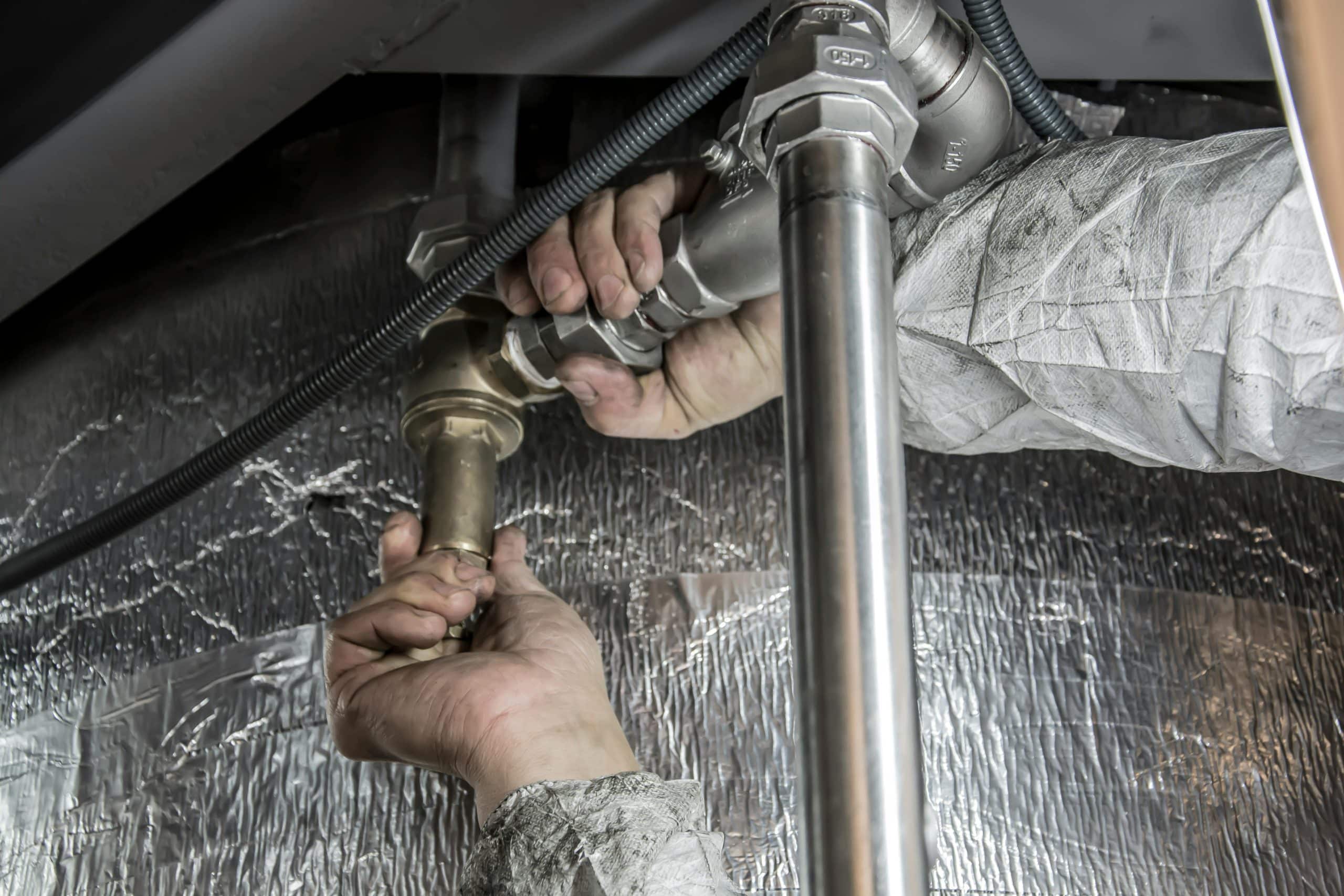
When a backflow device does go bad, the first thing you’ll want to do is shut off your main water supply to stop any reverse flow and contamination. This quick action has the potential to halt polluted water from spreading. If possible, shut off the backflow preventer itself. Check for leaks, such as water around pipes or pooling around the unit. Even small leaks need to be accounted for because they can be indicative of issues such as internal wear or freeze damage.
It’s smart to snap pictures or quick videos of any apparent issues. Good notes come in handy at repair time and on the phone with the experts. If contamination is possible, for example, if the water has become discolored or developed an odor or taste, immediately report it to local water officials. That shields not only your home but the community at large. Stock simple tools and supplies in case you can handle small repairs, but more significant work will require professional assistance. Be sure to notify everyone in the home of the situation, particularly if water will be shut off.
Professional Help
Call a licensed plumber immediately. Backflow prevention devices are intricate and should be repaired or replaced exclusively by specialists. Make sure any technician you employ is well-versed in backflow devices and your system type. Ask for a thorough diagnosis to determine potential reasons such as mineral scale, blockages, or incorrect installation. Technicians need to look for both head-on faults and subtle issues.
Make sure you get a written quote before work starts. Small repairs, like cleaning out debris or replacing internal seals, typically run between $150 and $250. Complete device replacement, particularly if the equipment is ancient or poorly installed, will be more expensive. Routine annual inspections prevent the majority of failures by identifying problems early, making repairs less expensive, and keeping you in compliance. This becomes even more critical if you live with vulnerable individuals since contaminated water can cause severe health issues.
Choosing a Qualified Professional
Backflow devices require mindful maintenance and regular inspections to function properly. Selecting a competent expert for this task counts. Local plumbing codes are serious and only those who know them can keep your water safe. Licensed specialists know how to identify potential hazards with your backflow device. They know how to repair them quickly, and that can save you both time and money. Many states, such as Indiana, go as far as to make it a policy that only licensed professionals can carry out backflow repairs or retesting.
Looking up plumbers in your area is a positive start. Aim for folks with a proven track record on backflow jobs. Choose professionals who have actually done this type of work, not ‘just plumbing’. See if they mention backflow work on their site or in their ads. Inquire about how many jobs similar to yours they have taken on over the last year. That way you know they have the expertise for your system.
Verify all qualifications and certifications prior to employing. Local codes typically state that only licensed and certified plumbers can touch backflow devices. Request to view a license and training for backflow. If you’re not sure what to look for, check with your city or water supplier. They can tell you what kind of papers a plumber ought to have. This step protects you from bad workmanship or threats to your home’s water.
Reviews will inform you more than anything about a professional’s track record. Don’t just check the ratings; see if you can find some comments from former clients. Real stories reveal whether the professional arrives on time, is approachable, and does a great job. Local reviews are the most useful because backflow regulations vary by city or country. If you notice a bunch of the same gripes, find someone else!
Getting recommendations from people you trust is useful. Neighbors or local community groups can steer you to pros who they love. Try to get word-of-mouth tips for the most reliable plumbers. If a friend had a positive experience, you’re likely to as well.
Conclusion
Backflow devices do key work in protecting water safety at home. Small leaks, rust, or stuck parts begin most failures. A few easy inspections catch initial indicators, such as water stains or falling pressure. Temporary repairs and routine inspections prevent larger issues down the road. Overlooking these little hints can lead to expensive fixes and even public health hazards. Trust a pro with real skills for repairs or checks. They come equipped with the correct tools and understand the code. Safe water requires continuous maintenance, not luck. Want to get ahead? Schedule a recurring check-up. Pass what you learn along to the neighbors. It’s a great way to keep your home safe and costs down. Link up with a trusted pro and get going strong.
Frequently Asked Questions
1. What causes a backflow device to fail?
Backflow devices and why they fail and what homeowners can do about it. Routine maintenance prevents these problems.
2. How can I tell if my backflow device is failing?
Watch for symptoms such as water leaks, erratic pressure drops, or tinted water. Early detection can save your water supply.
3. Why is regular backflow device testing important?
Backflow devices that are not tested annually can become a serious risk to your drinking water. It is mandated by many localities.
4. What should I do if my backflow device fails?
If your device fails, turn off the water and call a licensed contractor right away. A fast response minimizes health hazards.
5. Can I repair a backflow device myself?
No, it is not recommended. It requires specialized knowledge and tools. Don’t even think about it. Always hire a licensed technician to repair or replace!
6. How often should backflow devices be inspected?
Inspections and testing once a year is the minimum that most experts recommend. Follow your local requirements for what is required.
7. What are the risks of ignoring a faulty backflow device?
Overlooking a defective device can mean polluted water, a public health risk, and repair expenses. Proactive measures safeguard your residence and loved ones.
Backflow Testing in Santa Rosa, Reliable Protection for Your Water Supply
Backflow can contaminate your home’s water system and create serious health risks if it isn’t caught early. Yorkshire Plumbing provides professional backflow testing and prevention services in Santa Rosa to keep your water clean, safe, and up to code. If you’ve noticed changes in water pressure, unusual tastes or odors, or you’re due for your routine annual test, our team can handle it right away.
Our certified specialists test, inspect, and service all types of backflow prevention devices. We use accurate diagnostic tools to confirm that your system is working properly, explain any issues we find, and recommend the right fix to keep contaminants out of your drinking water. You’ll get clear guidance on your system’s condition so you can stay compliant and protected year-round.
With nearly a decade of experience in Sonoma County, our family-owned company is known for honest service, careful work, and dependable results. Yorkshire Plumbing doesn’t just test your backflow device, we help safeguard your home and give you confidence in your water quality.
Need trusted backflow testing in Santa Rosa? Contact Yorkshire Plumbing today to schedule your service and keep your water system safe.
Disclaimer
The information provided on this website is for general informational and educational purposes only and is not intended as professional plumbing or construction advice. You should consult with a licensed plumber or qualified contractor for guidance specific to your home or situation. Do not rely solely on the content of this site to make decisions about plumbing repairs, installations, or maintenance. While we strive to keep the information current and accurate, it may not reflect the most recent industry standards or code requirements. Yorkshire Plumbing & Drain Services disclaims all liability for any actions taken or not taken based on the content of this site, to the fullest extent permitted by law.