5 signs you need a new toilet vs. a simple repair tend to manifest in everyday use, with leaks, cracks, or a weak flush. Frequent clogging can indicate deeper issues, not just minor blockages. Water pooling near the base indicates a potential seal failure or tank cracks. Older toilets with worn parts can still waste water even after repairs, driving up bills and causing frustration. Discoloration or rough stains that won’t budge can indicate aging materials. Knowing when to repair or replace your toilet saves time, water, and money.
For anyone working on bathroom upgrades or repairing plumbing nightmares, noticing these signs early allows you to schedule the correct move with Yorkshire Plumbing & Drain Services. Our licensed team in Santa Rosa provides transparent quotes and dependable service so you can make the best long-term decision for your home.
Key Takeaways
- Knowing the 5 signs you need a new toilet versus a simple repair includes persistent repairs, visible cracks in the porcelain, frequent clogging, water usage, and a loose toilet base.
- Keeping an eye out for subtle warning signs like mineral deposits, surface scratches, and ghost flushing can unearth deeper plumbing problems that a quick fix might not solve, making a professional evaluation from Yorkshire Plumbing & Drain Services the smarter move.
- Think carefully about cost. Is the repair cheaper or not? Is there hidden water damage? How much will you save on utilities over time?
- Using the 50% rule, repair costs are more than half the price of a new toilet. This can help homeowners make smart choices about repair versus replacement.
- By switching to new toilets engineered for low water consumption, you can save on your water bill every month and help the environment. This benefits you financially and ethically.
- Setting yourself up further on a path toward bathroom fixture decisions that will make your life easier, comfort greater, and value higher, even if you’re not the one installing it.
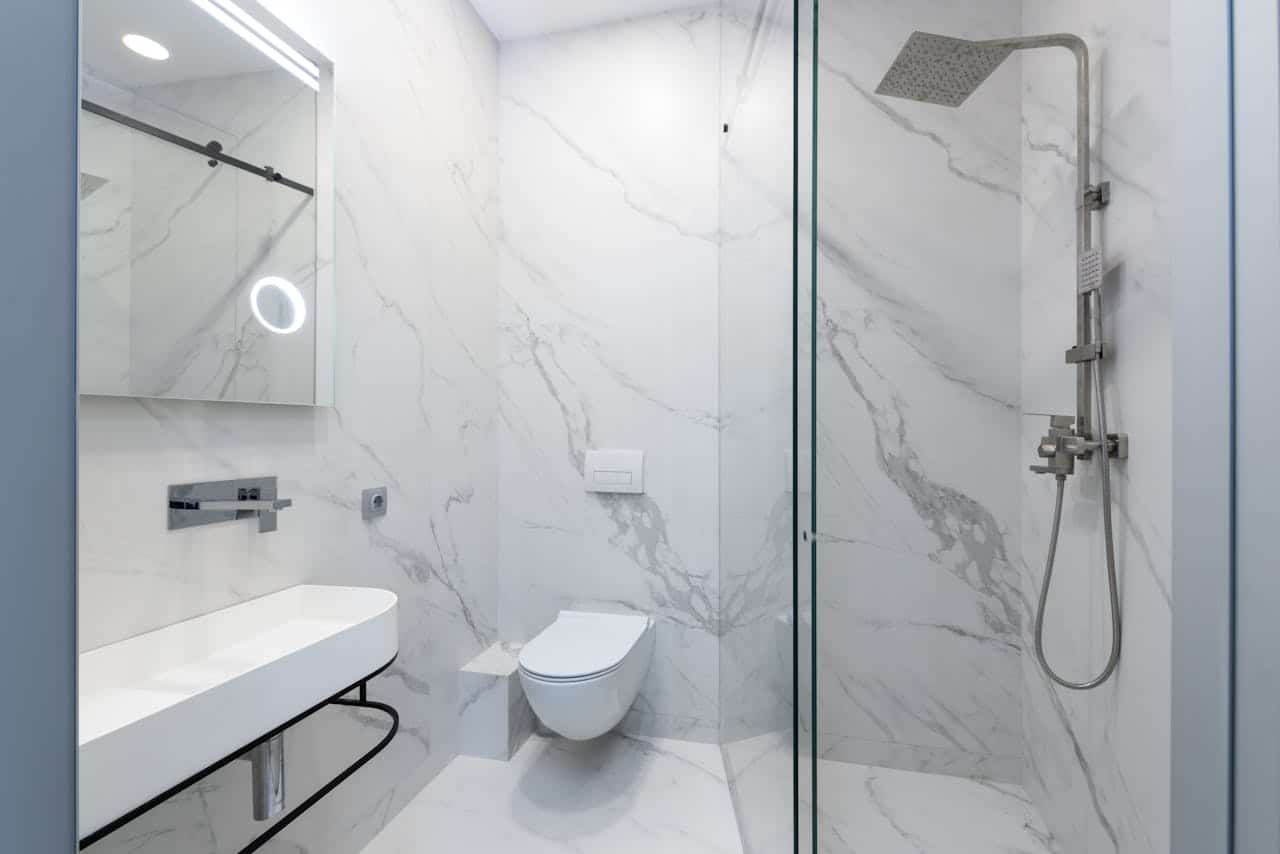
Key Toilet Replacement Indicators
Knowing when a toilet requires replacement as opposed to repair is important for keeping your home efficient, safe, and cost-effective. Below are the primary signs signaling it is time to replace your toilet:
- Frequent need for repairs or rising maintenance costs
- Persistent clogging or poor flushing performance
- Visible cracks in the porcelain
- Unstable or wobbly base
- Outdated or excessive water usage
1. Visible Porcelain Cracks
Minor cracks in the toilet bowl or tank may appear harmless initially, but they can expand, causing leaks and structural failure. If you see spreading or deepening cracks, replacement is usually the safer option. These leaks can rot flooring, encourage mold growth, and damage subfloors. When in doubt, call Yorkshire Plumbing & Drain Services for a thorough inspection before things worsen.
2. Constant Repair Cycle
If a toilet needs more than one repair within a year, the issues may go deeper than they appear. If you find yourself hiring a plumber every few months or replacing parts regularly, it’s time to compare costs. Yorkshire Plumbing & Drain Services can help you determine whether your repair expenses are nearing the cost of a new toilet and guide you toward a more economical solution.
3. Persistent Clogging
Frequent clogs are a red flag that your toilet might be outdated or inefficient. Tools like plungers and snakes only provide temporary relief. If your toilet was installed before 1994 or frequently clogs, contact Yorkshire Plumbing & Drain Services to inspect for deeper blockages and recommend modern, efficient replacements that flush better and save water.
4. Outdated Water Usage
Older toilets use significantly more water per flush. If yours predates 1994, it likely consumes twice or even three times the modern standard. Yorkshire Plumbing & Drain Services can replace your old model with a water-efficient toilet that reduces your utility bills and environmental footprint.
5. Unstable Toilet Base
A wobbly toilet base can indicate a loose seal, damaged flange, or subfloor deterioration. If your toilet rocks or leaks at the base, schedule a visit from Yorkshire Plumbing & Drain Services. Our technicians can quickly diagnose whether the issue requires resealing or full replacement to prevent future damage.
The Hidden Costs Of Repair
Figuring out the true cost of holding onto an old toilet, for instance, isn’t always obvious initially. The cost of one repair might feel small, but those costs can skyrocket if the toilet fails frequently. The table below shows a simple comparison of what you might pay for a fix versus the cost to put in a new toilet:
Option | Average Cost (USD) |
Toilet Repair | $300 |
Toilet Replacement | $400 |
Repair price sounds better initially, but it doesn’t always remain that way. If your toilet requires more than one repair in two years, the expenses can begin to accumulate and even exceed the amount you would have paid for a new one. For instance, a few little fix-it jobs, such as leaks, clogs, and worn-out parts, can add up to more than the cost of a new toilet. When the fixes stack up, this is typically an indication that your toilet has a larger issue, such as aging components or unseen cracks. The cracks might not leak immediately, but they can expand and cause water to leak behind the walls or floors. These hidden leaks risk water damage, which is expensive and difficult to detect until it is too late. It can seep into your floors and walls and even the room below, pushing the repair bill well beyond the price of a new toilet.
Constant repair work takes a toll on your home’s plumbing system overall. If an old toilet keeps breaking, it can put strain on the pipes and main water system, resulting in greater plumbing problems. This can decrease comfort in your home, particularly if you’re having to use additional water or flush multiple times per use. Think about those toilets that require two or three flushes to clear the bowl. They waste water and can be a daily nuisance. One continuous-running toilet might consume as much as 750 liters per day, which will be reflected in a substantially higher water bill. So over time, the increased water usage and additional repairs cost you more than if you had replaced the toilet from the beginning.
Upgrading to a new toilet with updated water-saving features can assist. Newer models consume less water per flush, which lowers the utility bill. In other words, the cost of a new toilet can be recouped over time in water savings and reduced repairs. The typical toilet has a lifespan ranging from 10 to 15 years. The older it gets, the more work it requires. Swapping it out before the repairs pile up can put a stop to these hidden costs.
Beyond Obvious Warning Signs
Some less obvious warning signs could indicate more significant issues with your toilet. I love geeking out about specifics like mineral buildup, surface scratches, and ghost flushing because it helps you identify when a repair won’t cut it and a replacement is in order.
Mineral Buildup
Mineral buildup often occurs in hard water areas, appearing as white or rust-colored deposits around the tank’s moving parts or within the bowl. These deposits can hinder the flush or clog water flow, impeding the toilet’s performance. Scrubbing that gunk every several months, particularly on the flapper, fill valve, and rim holes, keeps everything in working order.
If hard water stains come back immediately following your cleaning efforts, a water softener could help safeguard all your pipes. Ignoring buildup could translate to more repairs down the road. Eventually, hardened cartridges and clogged lines may need complete replacement, especially if the toilet is aging or dates to pre-1994. Older models use significantly more water and might not be up to par.
Surface Scratches
Scratches in the porcelain, even small ones, can harbor germs and dirt. This not only makes tidying a whole lot more difficult, but it also affects cleanliness, the crux of any household. Even beyond the obvious warning signs, deep or widespread scratches look bad and can diminish the appearance of a new bathroom. Sometimes, these scratches signify that the toilet is simply becoming old and worn after innumerable years of use.
Scratched surfaces are a telltale for older toilets, particularly those approaching the 10 to 15-year age range. After a certain point, staying on top of cleaning or repairs doesn’t cut it. Replacement is the most comfortable and clean choice.
Ghost Flushing
Ghost flushing occurs when a toilet refills on its own, typically because of a leaky flapper or defective flush valve. These surprises flush wastewater and can manifest themselves as elevated water bills. A flapper swap can assist. Should the problem persist, it could indicate damaged components within the tank or even mineral deposits preventing the seal.
If ghost flushing persists post-repairs, it’s a warning that the toilet could be too ancient or has more serious problems. If you have to call the plumber often or the toilet is over 25 years old, the expense and inconvenience accumulate. In such situations, swapping out the toilet for a new, low-flow model is usually the wiser long-term patch.
Your Toilet’s True Age
Your toilet’s real age. Toilets from previous eras function in ways that are not compatible with today’s standards of water conservation and performance. Considering the manufacturing year of your toilet provides the initial hint. If it’s from the 1960s or before, it probably consumes a lot more water per flush than a newer one. This brings me to the current federal law in the US that toilets sold after January 1, 1994, have to use no more than 1.6 gallons (6 liters) per flush. Many nations follow suit. Older toilets use as much as four times that. This means that if your toilet is older than 1994 and hasn’t been replaced since, you might be burning through thousands of liters annually.
A well-maintained toilet could potentially last 50 years. It’s smart to consider a replacement at the 25-year mark. Wear and tear, water pressure drops, and repair after repair costs all accumulate. Even if the toilet appears to function properly, the internal components, such as valves and seals, tend to degrade. This degradation causes leaks, clogs, or weak flushes. If you’ve sent the plumber’s bill through the mail more than once or twice in the last few years, the costs could soon outpace the cost of a new, efficient model.
Check your toilet for age every 10 to 15 years. Whether it’s cracks in the tank, that strange rocking motion, discoloration, or a running of the race. Even if they don’t, remember that newer toilets use significantly less water and function more effectively. A newer unit not only reduces your water bill but it benefits the environment.
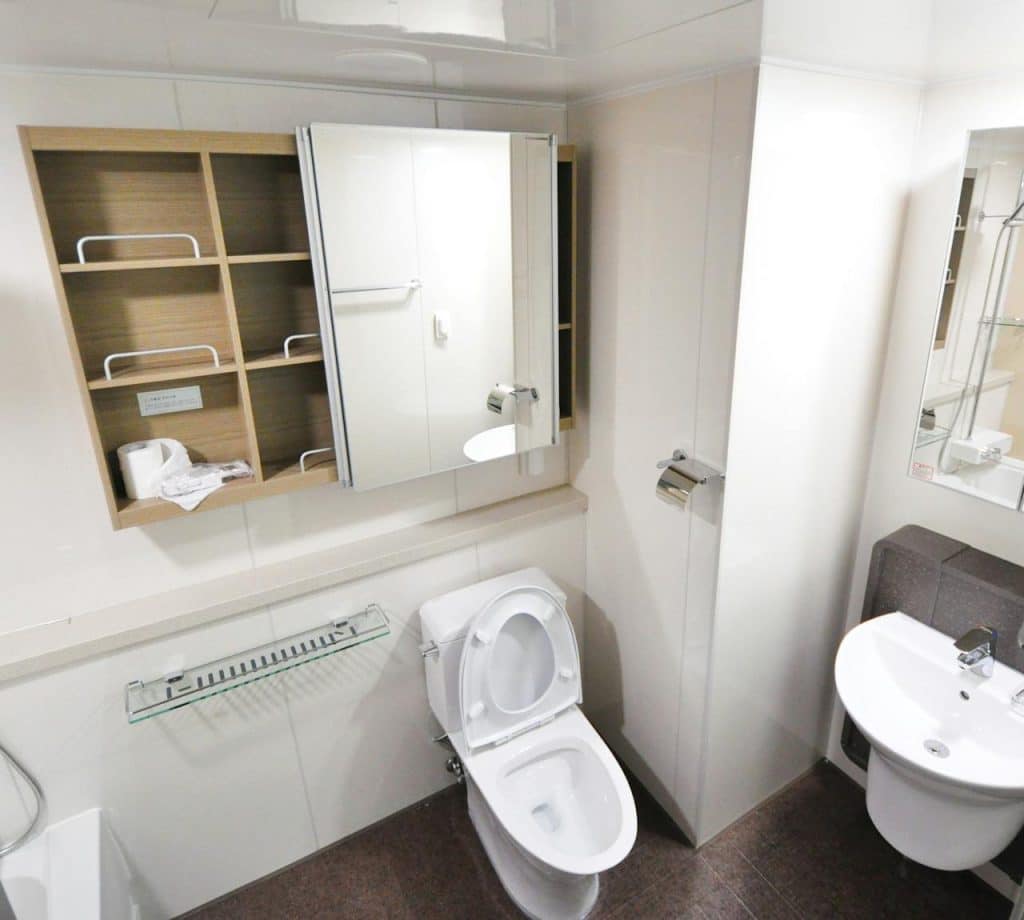
The Repair Vs. Replace Calculation
Deciding between repairing and replacing a toilet is not just about fixing a leak or a flush. It’s an exercise in strategic spending, future-proofing, and thinking about the comfort and efficiency of your home. Older toilets, particularly those older than 10 to 15 years, can be less efficient and often suffer from persistent problems such as running water, slow flush, or leaks. The repair versus replace calculation is important. New toilets offer optimized water usage, increased performance, and increased comfort, meaning the investment can be even more meaningful in the long run. Considering that they last for decades with minimal maintenance, plumbing, and all, really allows you to frame the equation somewhat evenly.
The 50% Rule
Checklist for the 50% Rule:
- Sum the cost of recent and imminent repairs (flapper, fill valve, tank leaks).
- Compare this sum to the price of a standard new toilet (average global cost: €120-€250 for basic models).
- If repair costs are more than half the price of a replacement, get a new toilet.
- Consider if the toilet is more than 15-25 years old, as repair expenses are expected to increase.
- Consider if the toilet requires multiple repairs in a brief time span.
An astute cost calculation is crucial. Factor in labor, parts, and return visits, and calculate the true repair tab. It provides a better sense of whether the toilet is worth holding on to. The 50% rule keeps you from flushing funds into a vulnerable fixture.
Long-term, new toilets lead to fewer emergencies, less time repairing, and more water savings. This rule provides homeowners with a simple method to make intelligent plumbing decisions.
Future Water Savings
A modern toilet can reduce water use by as much as 60 percent. Older versions typically use 13 liters per flus, while new ones use as little as 5 liters.
Less water used each month translates to smaller bills. Over five years, savings can go a long way toward covering the upfront price of a new toilet.
Wasting less water is good for the environment, which is always a positive for the world’s sustainability efforts.
These savings, financial and environmental, make it a compelling argument for upgrade, not repair.
Your Long-Term Plan
Consider the repair vs. replace equation. Inquire whether your bathroom needs remodeling in the near future. A new toilet can now work nicely with future projects.
There’s a value and comfort factor in a new, efficient toilet, which is a huge selling point if you’re staying put or selling. The good plumber ensures the job is done right, so there is no future trouble.
Quality fixtures last for decades and make life easier. A dependable toilet translates into less hassle, less waste, and tranquility.
When A Repair Is Enough
A toilet is probably the one thing in your home that gives you the most obvious clues that a simple repair will hold the line. Not every issue deserves a full replacement. Many common problems, like a broken handle, a faulty flapper, or a fill valve that won’t turn off, can be handled quickly and affordably. Replacing these parts is a straightforward fix you can do at home or have Yorkshire Plumbing & Drain Services take care of for you.
For instance, if you hear water running after every flush, it’s usually a worn flapper or fill valve. Stuck handles or a toilet that won’t flush are just as easy to replace. These small fixes are time and money savers, and the components are readily available. If you’d rather have the work done right the first time, Yorkshire Plumbing & Drain Services can diagnose and repair these minor issues during a quick service visit.
When considering repairs, think about the age and condition of your toilet. Toilets under 15 years old can often be repaired and continue to operate efficiently, assuming they haven’t had recurring issues. Once your toilet passes the 18-year mark, you’ll likely start seeing more frequent problems. Anything older than 25 years should be fully inspected. Older toilets simply weren’t designed for modern water efficiency, especially those made before 1994, which use significantly more water per flush.
If you own an older model and it’s starting to show new problems, it may be time to budget for a replacement. For most small leaks, running noises, or weak flushes, though, a quick repair often does the trick. If you only need to call a plumber every few years, that’s a sign your system is still in good shape. But if you find yourself calling Yorkshire Plumbing & Drain Services frequently or experiencing clogs every few flushes, there could be a deeper issue at play.
For well-maintained toilets under fifteen years old, repairing minor components can keep everything running smoothly for many years. When in doubt, our licensed team at Yorkshire Plumbing & Drain Services can inspect your system and give you honest advice on whether a repair or replacement will save you more in the long run.
Final Remarks
Old or weak toilets give clear warnings before they fail. Big cracks, leaks, or recurring clogs are often signs it’s time to replace. Replacing worn-out flappers, handles, and seals can keep your toilet functioning efficiently for years, but outdated bowls with stains or weak flushes waste both water and time.
Upgrading to a new model reduces costs, conserves water, and eliminates hassle. Over time, a well-installed toilet means fewer repairs and less stress. Yorkshire Plumbing & Drain Services provides honest assessments and expert service so you can make informed decisions about repair versus replacement.
Consider your home, your budget, and how much time and money you’ve already spent on fixes. For the sake of your comfort and peace of mind, schedule a quick inspection with Yorkshire Plumbing & Drain Services in Santa Rosa. We’ll evaluate your toilet’s condition, explain your options clearly, and help you choose the right path, repair or replace, so you can get back to a worry-free bathroom.
Frequently Asked Questions
1. What Are The Main Signs I Need A New Toilet Instead Of A Repair?
Frequent clogs, cracks in the bowl or tank, constant leaks, high water efficiency, or recurring repairs are all top signs. If any of these occur, replacement is usually the best option.
2. How Old Is Too Old For A Toilet?
The average toilet will serve you for approximately 15 years. If yours is older, efficiency falls and repairs climb. An old toilet can save water and money.
3. Are Persistent Leaks Always A Reason To Replace My Toilet?
If leaks keep returning, even after repairs, the issue could be with the structure of the toilet itself. If it leaks constantly, then it is time to replace it.
4. Can High Water Bills Mean I Need A New Toilet?
Yes, older toilets utilize more water with every flush. If your water bill is going up, a new efficient toilet will cut usage and save you money.
5. Is It Better To Repair Or Replace A Cracked Toilet?
Cracks in the bowl or tank usually indicate replacement. Repairs might not stand the test of time and result in water damage.
Toilet Repair In Santa Rosa – Fast, Reliable, And Professional Service
When your toilet stops working properly, quick and skilled repair makes all the difference. Whether it’s constantly running, leaking at the base, or won’t flush at all, Yorkshire Plumbing provides fast, dependable toilet repair services throughout Santa Rosa.
Our licensed plumbers handle every kind of toilet problem, from simple part replacements to complex clogs and full fixture repairs. Using advanced diagnostic tools and proven methods, we find the issue quickly and fix it right the first time, saving you water, money, and stress.
With nearly a decade of experience serving Sonoma County, we’ve earned the trust of homeowners who value honest communication, quality workmanship, and lasting results. We don’t just patch problems; we make sure your toilet works efficiently for years to come.
From emergency toilet repairs to full replacements, Yorkshire Plumbing is the family-owned team Santa Rosa residents rely on for expert plumbing service. Call or message us today for a free estimate. Same-day appointments are often available, and we’re always ready for urgent calls.
Disclaimer
The information provided on this website is for general informational and educational purposes only and is not intended as professional plumbing or construction advice. You should consult with a licensed plumber or qualified contractor for guidance specific to your home or situation. Do not rely solely on the content of this site to make decisions about plumbing repairs, installations, or maintenance. While we strive to keep the information current and accurate, it may not reflect the most recent industry standards or code requirements. Yorkshire Plumbing & Drain Services disclaims all liability for any actions taken or not taken based on the content of this site, to the fullest extent permitted by law.