Observe where and how often the water appears to ascertain whether a moisture issue is due to drainage or plumbing. Even when there isn’t any rain, you can see wet spots because plumbing leaks usually originate from pipes beneath sinks or behind walls. Drainage issues show up after rain or when water collects at a wall or floor base. The smell and look of the water also help; drainage issues can attract muck and mildew, and plumbing leaks can appear clean. To get to the bottom of the issue, learn some quick tips that will make it easy for you to identify the source. The main body will help digest these tips.
Key Takeaways
- To properly diagnose moisture issues in any property, it is essential to understand the distinction between drainage and supply plumbing.
- Here’s how to figure out if your moisture problem is coming from the plumbing or drainage.
- When to Check Pipes and Gutters Regular inspection of pipes, fixtures, gutters, and grading is essential to moisture management.
- It is more likely that you will find an invisible leak or obstruction if you use more sophisticated diagnostic methods, such as thermography, pressure gauges, and water meter testing.
- Understanding environmental factors such as high indoor humidity, heavy rainfall, and poor landscaping grading is critical to reducing external moisture intrusion.
- A thorough examination and effective resolution of recalcitrant moisture issues are ensured by using expert inspection techniques, such as pressure testing and camera inspections.

Understand The Two Water Systems
Every home has two main water systems: supply plumbing brings fresh water in, while the drainage system sends used water out. Understanding how both work is crucial for identifying the source of basement water problems and preventing water leaks. Issues may arise from within, such as a leaking pipe, or from external sources, like rainwater that can’t drain properly. Tools like moisture meters and inspection cameras are invaluable for detecting hidden moisture damage and following the water trail. Efflorescence, or white mineral stains, can indicate water intrusion from the outside. Elevated water bills and strange odors can also be early warning signs of concealed plumbing problems.
Supply Plumbing
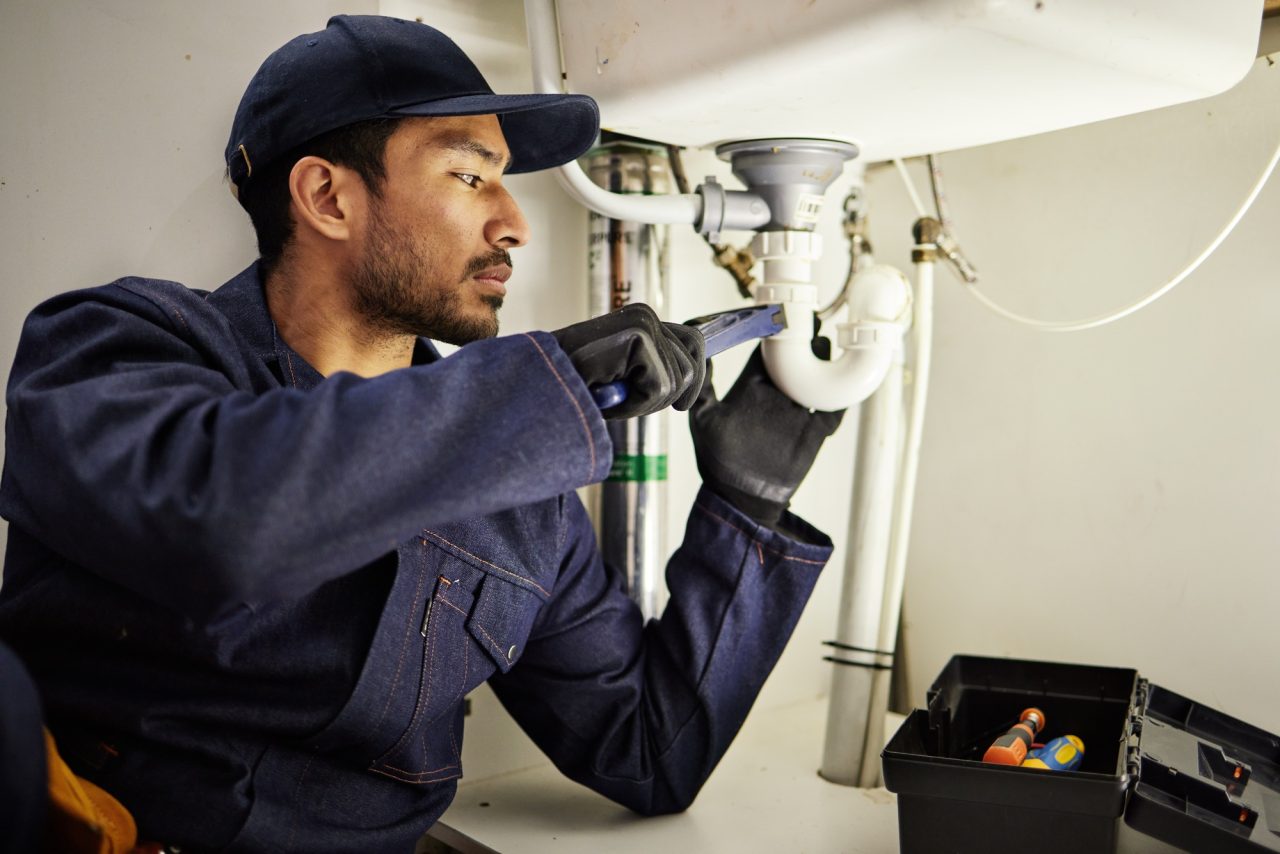
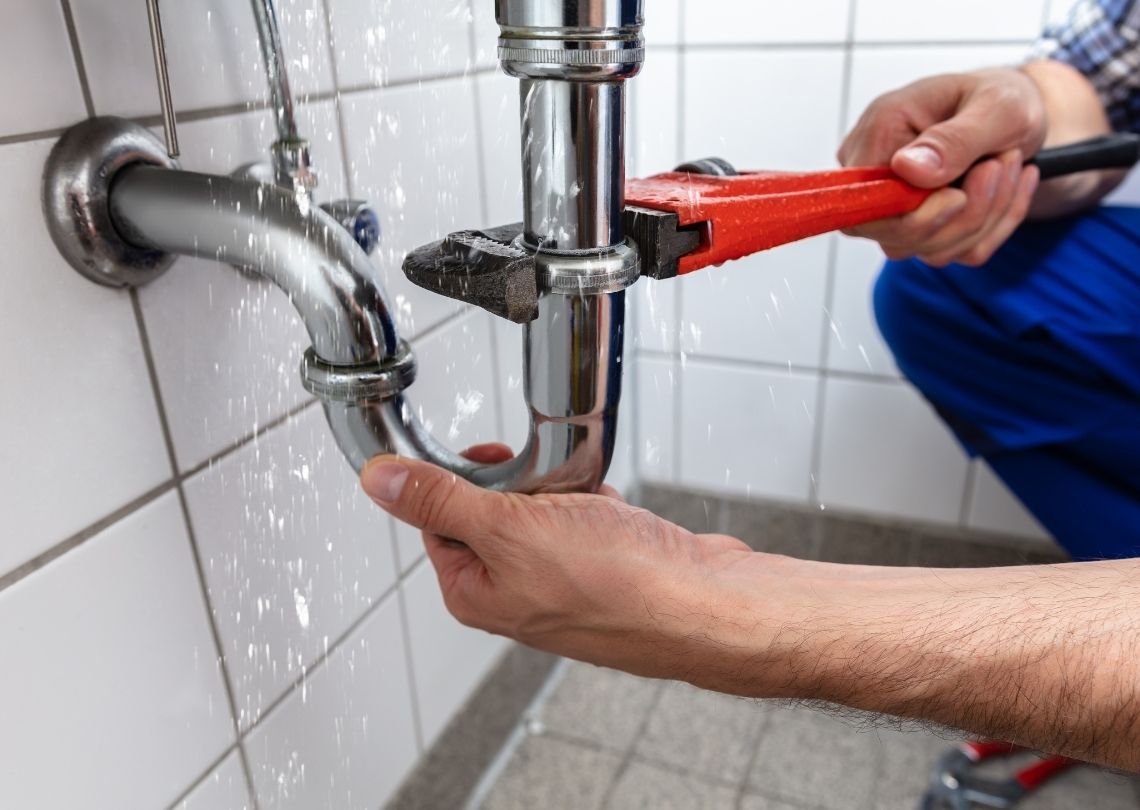
The supply plumbing system covers all of the pipes, valves, and fixtures that provide water to your sinks, toilets, washing machine, and water heaters. Leaks are more likely to occur because these pipes are regularly under pressure. Water stains on walls or ceilings, peeling paint, and wet areas close to fixtures are clear signs of a supply leak. Your water bill is a good place to start looking for hidden leaks, and if it has increased without any apparent reason, it might be a sign of a leak. Green or bluish stains should not be ignored, as they are signs of corrosion that can eventually erode pipes. A meal inspection is important because even a small leak from a basement-based appliance or HVAC system can result in pooling and long-term damage.
Drainage System
- Pooling water near floor drains or slow-draining sinks.
- Gurgling noises from pipes.
- Mold growth or musty smells in basement corners.
- Efflorescence on walls or floors.
- Cracks in the foundation walls with dampness.
Look for obstructions in your outdoor drains and gutters to ensure that water is diverted away from your foundation. Overflowing gutters after a rainstorm could indicate drainage issues outside. If several fixtures in the house are experiencing issues, slow drains may indicate a blockage or broken pipe. Bad odors emanating from floor drains frequently indicate a sewage backup and require swift attention.
Camera inspections of drain lines can locate blockages deep within the system. If you notice white mineral deposits or have water after rain or snowmelt, drainage is probably responsible.
Distinguishing Plumbing And Drainage Issues
Water in a home can result from either plumbing or drainage problems, and distinguishing the two is crucial for a quick repair. Drainage carries wastewater out, typically from outside as well. Plumbing is the water you use indoors, such as in sinks, showers, toilets, etc. Drainage problems cannot wait for irregular hours, but plumbing leaks can. They threaten significant damage quickly. Here’s how to identify which system is failing.
Issue Type | Usual Location | Typical Signs | Common Causes | Immediate Risk Level |
Plumbing | Indoors: kitchens, bathrooms, laundry | Damp spots near fixtures, dripping, water stains | Leaking pipes, faulty joints, worn tap washers | Moderate |
Drainage | Outdoors, basements, near foundations | Standing water, musty smells, mold, and persistent damp | Blocked drains, poor grading, stormwater issues | High |
1. Location Clues
The location of a moisture issue can give clear indications of possible plumbing issues. Wet patches near sinks or toilets generally indicate plumbing leaks, which can lead to costly repairs. If basement walls or lower sections of walls are consistently damp, it generally indicates water intrusion from the outside. Soggy patches in the yard days after heavy rains serve as classic early warning signs of drainage issues.
2. Timing Patterns
When wetness appears, it makes a difference. If you notice hidden moisture immediately after taking a shower or flushing, think plumbing problems. A spike in moisture during or after rainstorms is probably a sign of drainage problems. Tracking when and where the problem occurs can help identify patterns. Consistent puddles following rain or snowmelt trigger water intrusion, while random wet areas inside the house suggest plumbing-related issues.
3. Water Quality
Inspect water quality for hints. Discolored tap water or fine grit can indicate old, corroded pipes, which is a plumbing problem. Stinks, particularly of sewage, may indicate a drainage backup. Low water pressure can sometimes be associated with slow leaks in supply lines, not drainage. Test the water and observe any symptoms.
4. Associated Sounds
Weird sounds refine them. Gurgling drains could indicate blocked drainage pipes. Dripping behind a wall or under a sink sounds like a plumbing leak, which can lead to hidden moisture damage. Hissing or knocking from your pipes could indicate pressure issues or early warning signs of leaks. Hearing strange noises in water heaters can indicate plumbing problems, not just drainage.
5. Odor Profile
Odors can indicate sneaky problems, such as hidden moisture damage. Musty or earthy smells are frequently indicators of mold from slow leaks. A rotten egg or sewer smell usually suggests a drainage failure or breached pipe. If the stench lingers after heavy rains, that’s all the more reason to believe it’s a drainage issue. Noticing a change in odor after using the plumbing could point to a water leak or trapped moisture.
Advanced Diagnostic Clues
Identifying if a moisture issue originates from plumbing problems or drainage requires targeted inspections. Both can lead to hidden moisture damage and costly repairs, necessitating distinct remedies. With more advanced diagnostics, you can focus on the source and take the correct action.
Water Meter Test
- Write down the initial reading of the water meter. This is your test baseline.
- Ensure that all taps, appliances, and fixtures are switched off. No water is to be used inside or out.
- Observe the meter for 15 to 30 minutes. Any flow indicates water is escaping. If no water is being used, there is a leak.
- Contrast your monthly water bill with actual usage. A quick jump can highlight unseen leaks.
- Record all observations, such as meter readings and times. Store these hints. They assist in monitoring trends and can be passed along to Yorkshire Plumbing & Drain Services later.
Pressure Changes
Water pressure wants to remain constant in a healthy plumbing system. If the stream decelerates or spurts, this typically indicates a leak, blockage, or valve issue. Low pressure can manifest as slow taps or weak showers, sometimes initially discovered in vulnerable areas such as basements. A sudden drop in pressure, especially after seasonal variations, may be a sign of a joint failure or burst pipe. If pressure rises in only one neighborhood when you test it at various fixtures, the issue is most likely local. If all taps are weak, inspect the main or incoming line. Consistent visits, at a minimum once a season, catch problems before they escalate.
Temperature Variance
Verify whether the pipes are significantly hotter or colder than they ought to be. Cold spots on hot pipes typically indicate water is escaping and cooling the line, whereas hot spots on cold pipes can be a sign of concealed leaks. Dye tests for cracks involve injecting colored liquid and observing the surfaces. It can detect leaks and determine if they are plumbing or drainage-related. Camera inspections reveal obstructions or leaks within the drain or supply lines. Moisture meters are useful for identifying damp areas on floors or walls. Look for mold, mustiness, or stains on surfaces. When combined with the information above, these hints help confirm the source of the moisture. Interior drain and sump tests, especially in basements, see if drains catch and whisk water away as they should.
When Environment Is The Culprit
Moisture problems in homes often stem from environmental roots, not just plumbing problems. Recognizing these early warning signs allows you to choose the appropriate remedy.
- Heavy rainfall or storms
- High indoor humidity, especially in warm seasons
- Poor grading near the home’s foundation
- Inadequate ventilation in certain rooms
- Blocked or poorly maintained gutters and downspouts
- Temperature swings leading to condensation on cold surfaces
After Rainfall
A house tends to reveal its vulnerabilities following a hard rain, especially when it comes to water leaks. Puddles or wet spots in the basement or crawl space can sometimes point to water penetrating cracks, particularly if they’re detected shortly after storms. Look for leaks at window frames and door thresholds if you notice water trails or damp patches, as these are prime spots for rainwater to sneak in. Regular maintenance of gutters and downspouts should ensure they drain water at least 2 meters from the foundation. If drainage issues are not addressed immediately, they may lead to costly repairs, as shown by overflowing gutters or eroded soil near the walls.
Excess Moisture Levels
Humidity indoors should remain below 60% to prevent issues like hidden moisture damage. Where air lingers, like in a bathroom or closet that isn’t vented outside the house, mold grows. The ideal conditions for condensation can be created by cooking, drying clothes indoors, or taking steaming showers. Cold surfaces such as metal duct joints and exposed cold-water pipes frequently sweat when humid air inside meets them, leaving behind hazy stains or isolated damp spots. If it’s your environment you’re fighting, then insulate these pipes or ducts to minimize temperature differences. Exhaust fans and dehumidifiers keep humidity in check, while sealing air leaks around joints can prevent moist air from accessing cold spots. High humidity not only contributes to its own moisture problems but also exacerbates plumbing problems by increasing condensation within the home.
Poor Grading
Water should run away from your house, not toward it. If the ground grades toward the foundation or you notice low spots where water ponds, you have grading problems that can lead to water damage. Landscaping can assist by mounding soil or sculpting slopes to direct water elsewhere. Verify the grading at least annually, particularly following severe storms or snowmelt, as soil may shift and form new trouble spots. If left unchecked, poor grading increases the likelihood of concealed moisture damage and destroys both the structure and its contents by allowing water to pool at your foundation.
The Anatomy Of A Water Stain
Water stains are usually the initial outward sign of a concealed moisture issue. They can appear on ceilings, walls, floors, or even surrounding fixtures. To repair it, it’s important to determine whether the water originates from plumbing leaks or from external drainage. Stain location, color, and shape all provide hints to the cause. Treating a stain begins with understanding what type of water it is, either clean, gray, or black, and if it’s from leaks, condensation, or high humidity. Table 1 summarizes primary stain types and where you’ll commonly encounter them.
Type of Stain | Common Location | Possible Source | Typical Color/Pattern |
Plumbing Stain | Near pipes/fixtures | Leaking pipe or fixture | Dark rings, yellowish edges |
Drainage Stain | Exterior/basement walls | Poor drainage, rainwater | Irregular, chalky, white marks |
Condensation Stain | Cold surfaces, ducts, windows | Humid air on a cold object | Hazy, diffuse, sometimes grey |
Plumbing Stains
Plumbing stains tend to appear near sinks, toilets, water heaters, or within kitchen and bath walls. These stains are often round, with a brown or yellow border and a dark edge. The stain will appear darker or grow larger if the leak continues. Drip water from a supply line or fixture likes to run down with gravity, leaving marks or tracks beneath the source. Occasionally, the stain will be dry, but if you contact it and it feels moist or spongy, the leak is probably continuing. Plumbing stains can appear on ceilings below bathrooms or kitchens, and the color and texture can indicate a leak’s age. New ones are usually shiny and dark, while old ones are crusty or faded.
Drainage Stains
Drainage stains typically show up near a building’s foundation, on exterior walls, or in basement corners. These marks are less consistent and often appear as large, asymmetrical patches. Efflorescence, which consists of white, powdery deposits, may indicate that water is infiltrating masonry or concrete. Unlike plumbing stains, drainage stains can be wide, horizontal, and spread out if bad grading causes pooling of rain near the foundation. Sometimes you’ll find moss or mildew growing along with the stain, indicating that moisture remains long after a rain. Tracking where and when these marks occur can indicate whether it’s due to a torrential downpour or a persistent drip from outside.
Professional Assessment Methods
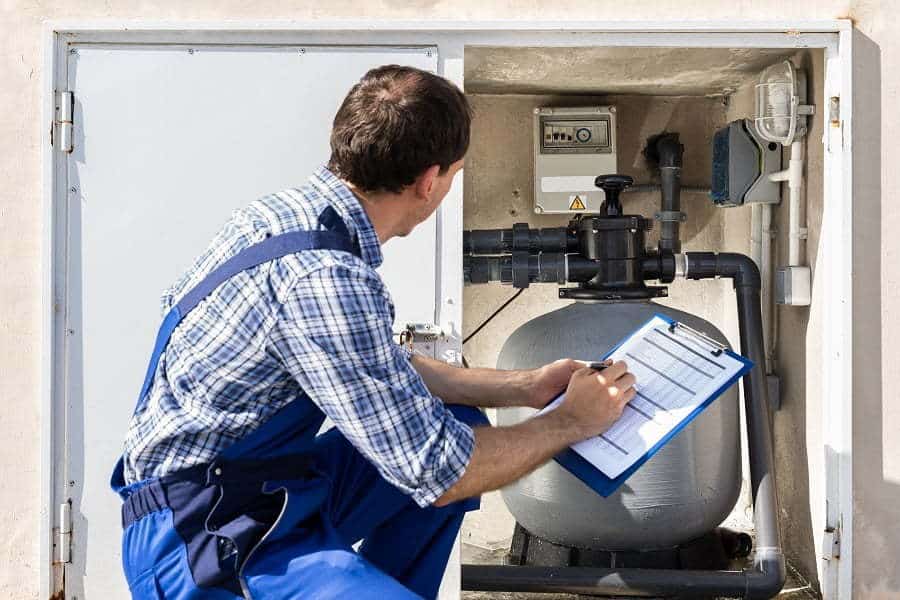
To determine whether moisture originates from plumbing problems or drainage issues, expert inspectors use a combination of tools and methods. These allow them to detect hidden leaks, screen for blockages or fractures, and assess for early warning signs of water damage.
- Thermal imaging to spot temperature changes and hidden moisture
- Pressure testing for pipe integrity and unseen leaks
- Camera inspection provides a view inside pipes and drains.
Thermal Imaging
Thermal imaging highlights cooler areas of the wall and ceiling and reveals wet spots. These temperature variations indicate where water might be trapped. Thermal cameras help identify a leak before the damage gets worse, even if it is still hidden. It’s a good technique for both new and old buildings. The camera will display the cool trail with water pools if there is insufficient insulation or stagnant water.
Level 1 infrared training inspectors know how to read these images and distinguish moisture from other temperature fluctuations. They understand that for thermal imaging to work properly, water has to be evaporating. If the surface is dry but water lurks below, additional techniques, such as moisture probes, can measure electrical resistance and verify the discovery. Scan results recorded with photos assist with repairs, insurance claims, or future inspections.
Pressure Testing
Pressure testing is the most immediate way to determine whether plumbing stands up against potential issues like water leaks. The test begins by shutting off water and pumping air or water into the pipes. If pressure drops, it’s a sign of a leak or weak spot, exposing hidden moisture issues in walls or under floors where leaks go unnoticed. This technique is standard operating procedure, ensuring that tiny piping defects do not escalate into costly repairs down the road.
Inspectors monitor pressure gauges for rapid or sluggish declines during the test. A sudden drop usually indicates a major leak, while a slow drip points to minor leaks or pinhole leaks. Although pressure testing alone cannot pinpoint the leak’s location, it will signal if further inspections are necessary.
Camera Inspection
Camera inspection employs a tiny, flexible camera that’s inserted into pipes and drains. This provides a hands-on glimpse into the contents. It helps identify clogs, cracks, or root intrusions in pipes. The camera can record video for later review while navigating long distances and curves.
Inspectors lean on it when moisture issues linger after other tests. It enables them to see accumulation, pauses, or odd objects obstructing flow. The results are recorded with both video and still photos. By guiding plumbers directly to the repair site, these journals minimize trial and error and wall hole ripping. Camera inspections assist in scheduling future maintenance, particularly in aged systems.
Final Remarks
To identify the true culprit of a moisture problem, track the water and trace its residue. Damp areas around pipes or below sinks generally indicate a plumbing leak. Damp floors or walls away from fixtures can indicate drainage issues. Water stains, musty smells, or a jump in your water bill all assist in the diagnosis. Simple checks do the trick, but some situations require the pro with the proper equipment. Trust your instinct if something feels wrong. Initial attention can prevent wasted time, expense, and unnecessary stress. Keep studying, keep checking, and keep posting. For more home care tips and how-tos, see our recent blog posts from Yorkshire Plumbing & Drain Services.
Frequently Asked Questions
1. How Can I Tell If A Moisture Problem Is From Plumbing Or Drainage?
A leak detection issue may be indicated by dampness near water sources or piping, which may be early warning signs of plumbing issues or water leaks. If it’s near exterior walls or after a lot of rain, it’s most likely a drainage issue.
2. What Signs Indicate A Plumbing Leak?
Persistent moisture, mildew around sinks or toilets, or water discoloration on ceilings and walls typically indicate plumbing leaks. Listening in on their pipes and looking for any hidden early signs of moisture are important tasks for homeowners.
3. What Does A Drainage Problem Look Like?
Water collecting near your building’s foundation, musty basement walls, or leftover water after a heavy rain are typical indicators of water damage and early warning signs of drainage issues. These problems typically intensify during heavy rains or when the ground is saturated.
4. Can Water Stains Help Identify The Source Of Moisture?
Yes. Well-defined water stains and repeated wetness in the vicinity of pipes typically indicate plumbing issues. Stains that have fuzzy borders or that appear after it rains indicate drainage or environmental problems.
5. When Should I Call A Professional For Moisture Problems?
If you can’t find the source of the problem or it keeps returning, call a waterproofing expert. Early detection and professional evaluation can prevent costly repairs from hidden moisture damage.
Flooding, Moisture Problems, And Crawl Space Issues In Santa Rosa: Stop Damage Before It Spreads
Water problems in a commercial building rarely fix themselves. Minor flooding, excess moisture, or crawl space issues can quietly damage flooring, weaken structural components, and create unhealthy conditions for employees and customers. Yorkshire Plumbing provides fast, professional solutions in Santa Rosa, helping businesses control moisture and prevent costly repairs.
Standing water, damp crawl spaces, musty odors, warped flooring, and unexplained humidity are all warning signs. Left untreated, these problems can lead to mold growth, wood rot, insulation damage, and rising energy costs. Our team uses advanced diagnostic tools to locate the source of moisture, whether it’s poor drainage, leaking lines, groundwater intrusion, or ventilation problems beneath your building.
Once we identify the cause, we walk you through what’s happening in plain language and recommend the most effective solution. That may include drainage improvements, sump pump installation, vapor barriers, pipe repairs, or crawl space moisture control systems. You get clear answers and practical solutions that protect your property and restore a dry, stable environment.
With nearly a decade of experience serving Sonoma County, this family-owned company has built a reputation for honest service, careful workmanship, and dependable results. Yorkshire Plumbing does more than address visible water problems. We help business owners safeguard their buildings from long-term moisture damage that can disrupt operations and increase expenses.
If your commercial property is experiencing flooding, persistent dampness, or crawl space concerns, contact Yorkshire Plumbing today and resolve the issue before small moisture problems turn into major structural damage.
Disclaimer
The information provided on this website is for general informational and educational purposes only and is not intended as professional plumbing or construction advice. You should consult with a licensed plumber or qualified contractor for guidance specific to your home or situation. Do not rely solely on the content of this site to make decisions about plumbing repairs, installations, or maintenance. While we strive to keep the information current and accurate, it may not reflect the most recent industry standards or code requirements. Yorkshire Plumbing & Drain Services disclaims all liability for any actions taken or not taken based on the content of this site, to the fullest extent permitted by law.